
Aluminium Conductor Cable Saves More Initial Project Cost
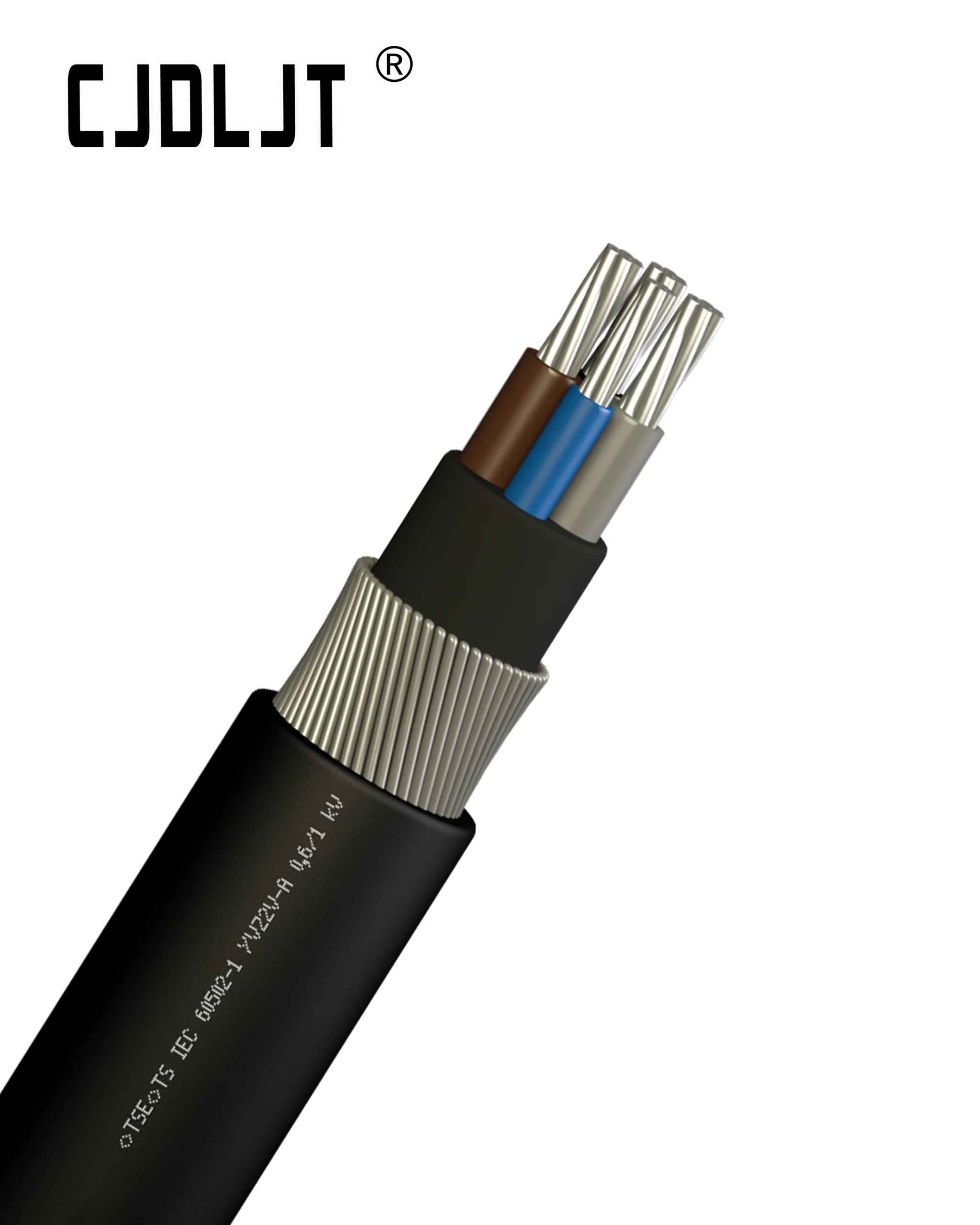
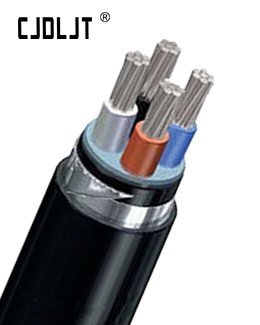
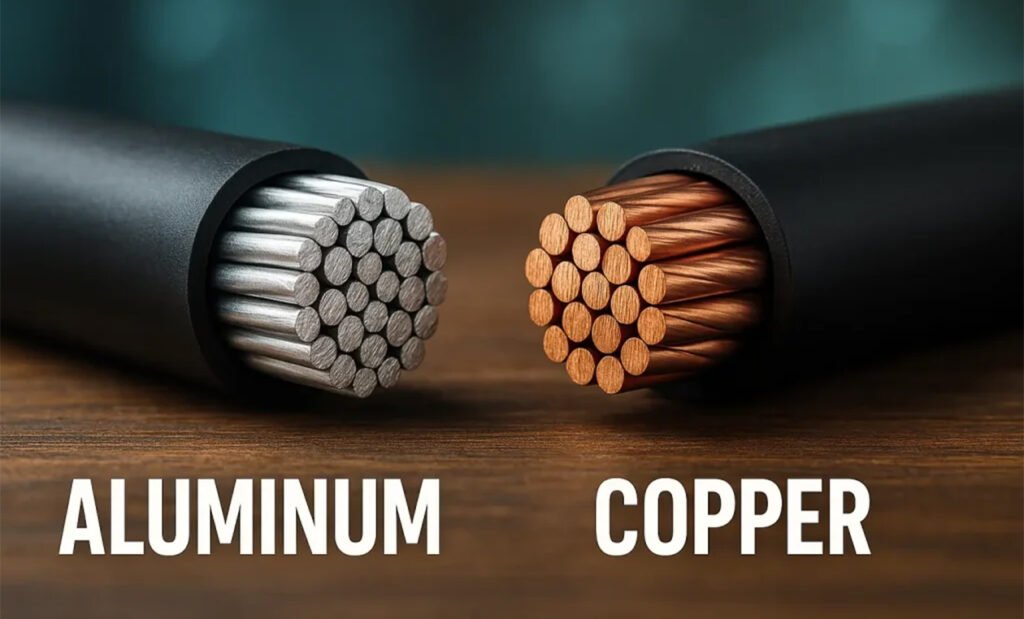
Aluminium conductor cables save more initial project cost for low-voltage (0.6/1kV) and medium-voltage infrastructure installations requiring conductor cross-sections ≥50 mm². Although raw aluminium exhibits lower electrical conductivity (~61% IACS) than copper, necessitating a 1.6x larger cross-sectional area to achieve equivalent current-carrying capacity (ampacity), it weighs 70% less per volume. Driven by commodity market deltas, choosing an aluminium power cable instead of a copper power cable cuts direct material expenditure by 40% to 55%. However, total savings must factor in upsized conduit sizing and specialized termination labor.
Technical and Economic Parameter Matrix
The following structural matrix compares the engineering and financial parameters of copper and aluminium conductor power cables under IEC 60228 and IEC 60502-1 benchmarks.
| Technical Parameter | Copper Conductor Cable | Aluminium Conductor Cable | Project Cost Impact |
| Electrical Conductivity | 100% IACS (Benchmark) | ~61% IACS | Aluminium requires 1.6x larger mm² area for equivalent load. |
| Mass Density | Heavy (8.9 g/cm³) | Light (2.7 g/cm³) | Aluminium equivalent cable is 50% lighter; reduces support rack costs. |
| Tensile Strength | High (200–250 N/mm²) | Low (70–90 N/mm²) | Copper requires fewer pulling pits during long horizontal pulls. |
| Raw Material Cost | High (Base Commodity) | Low (Saves 40%–55% on metal) | Major CAPEX driver for primary infrastructure. |
| Oxidation Characteristic | Stable oxide layer | Rapid, non-conductive oxide film | Aluminium requires specialized bi-metallic termination labor. |
| Conduit / Tray Footprint | Compact (1.0x) | Expanded (~1.25x outer diameter) | Aluminium increases secondary containment material costs. |
Core Economic Application Scenarios
Utility-Scale Solar and Overhead Grid Corridors
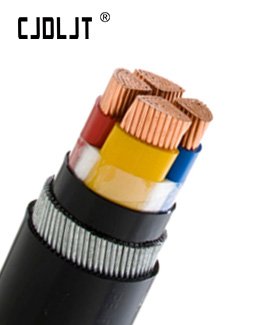
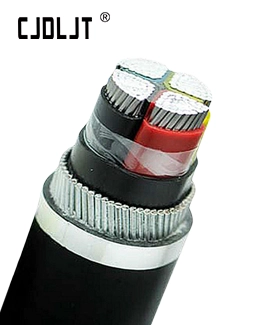
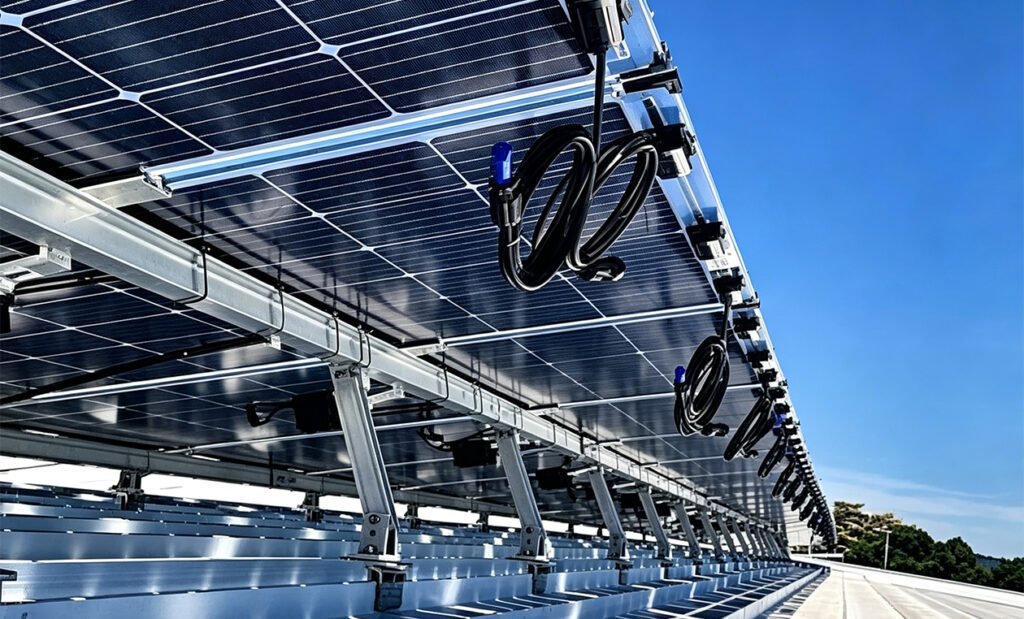
For multi-kilometer DC/AC collection lines and overhead lines, material economics dominate the budget. Deploying a low-voltage 4*70mm2 Aluminium Power Cable or medium-voltage 0.6/1kv Aluminum Power Cable minimizes project capital expenditure. The lower structural weight expands pole spacing distances, dropping civil works installation pricing.
High-Density Data Centers and Commercial Indoors
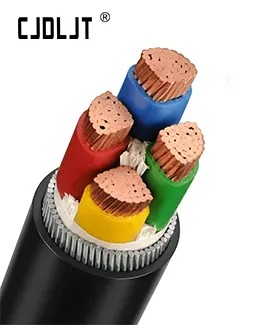
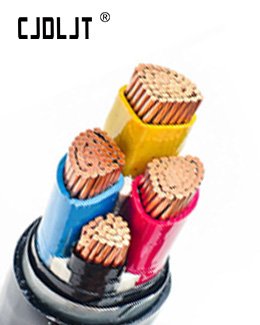
In tight commercial riser ducts, urban high-rises, and server environments, copper remains the net cost-saver. The compact outer diameter of an unarmored XLPE Insulated Copper Power Cable allows more circuits per square meter of tray space. This path avoids the labor costs and space premiums of larger routing paths required by upsized aluminium profiles.