
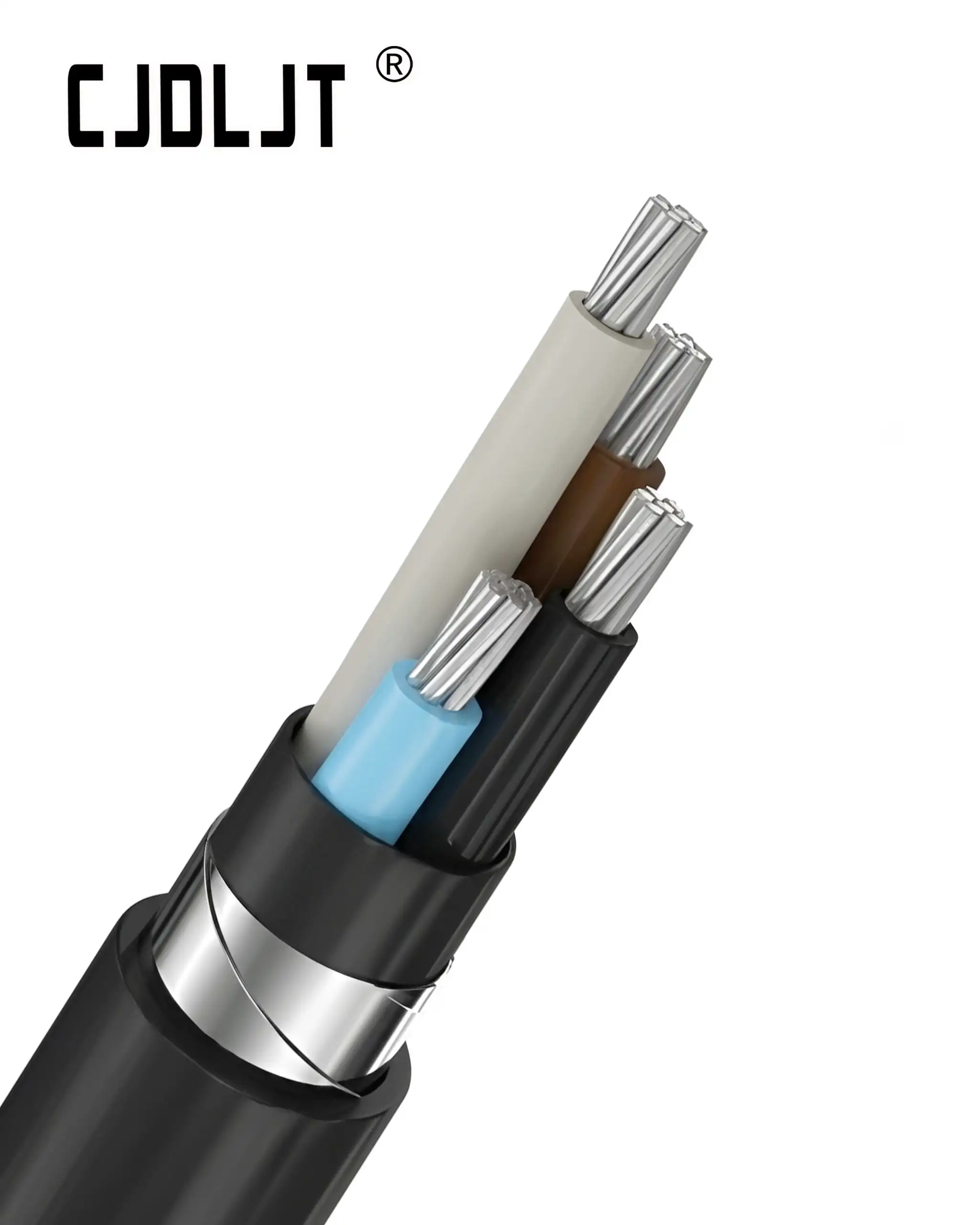
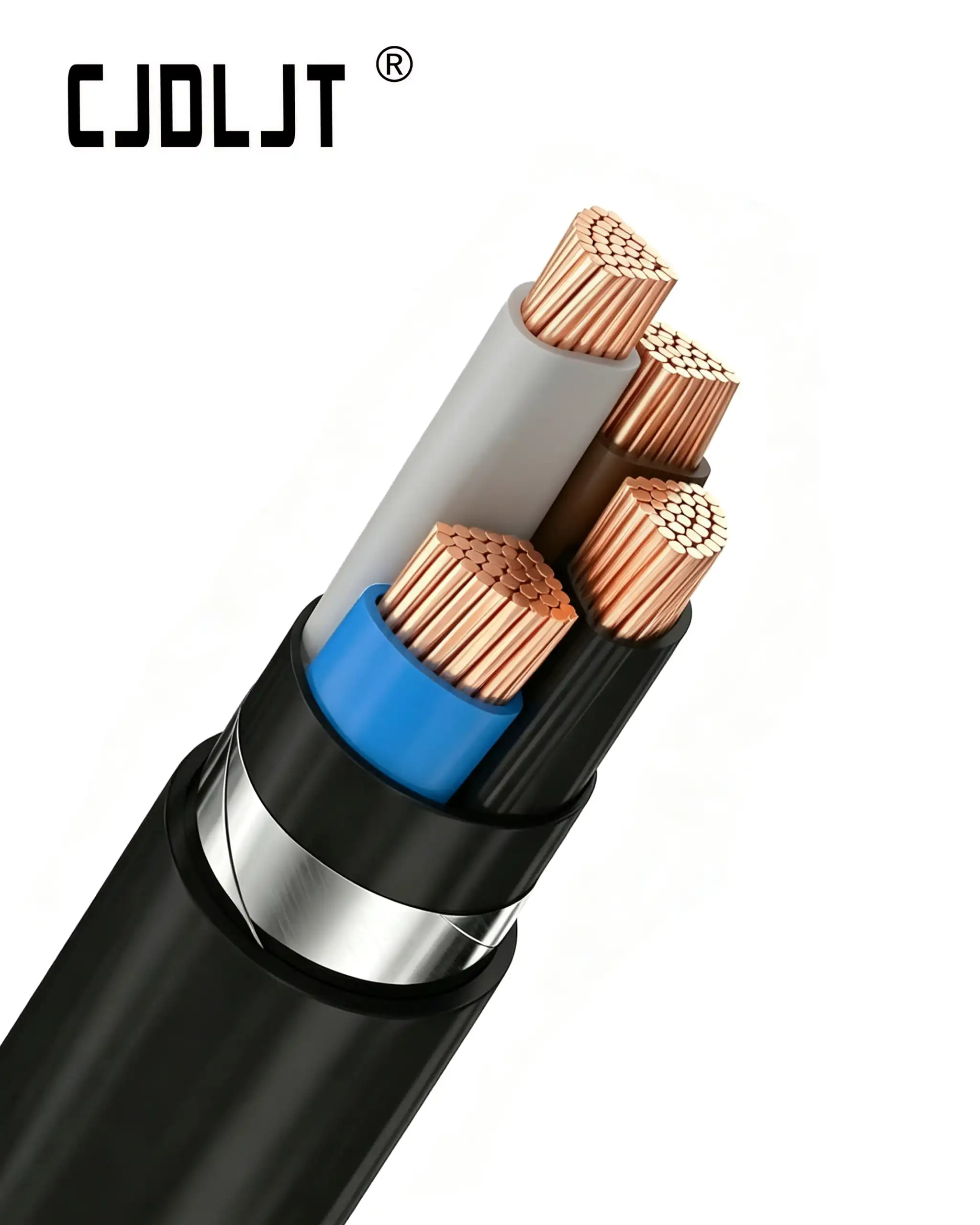
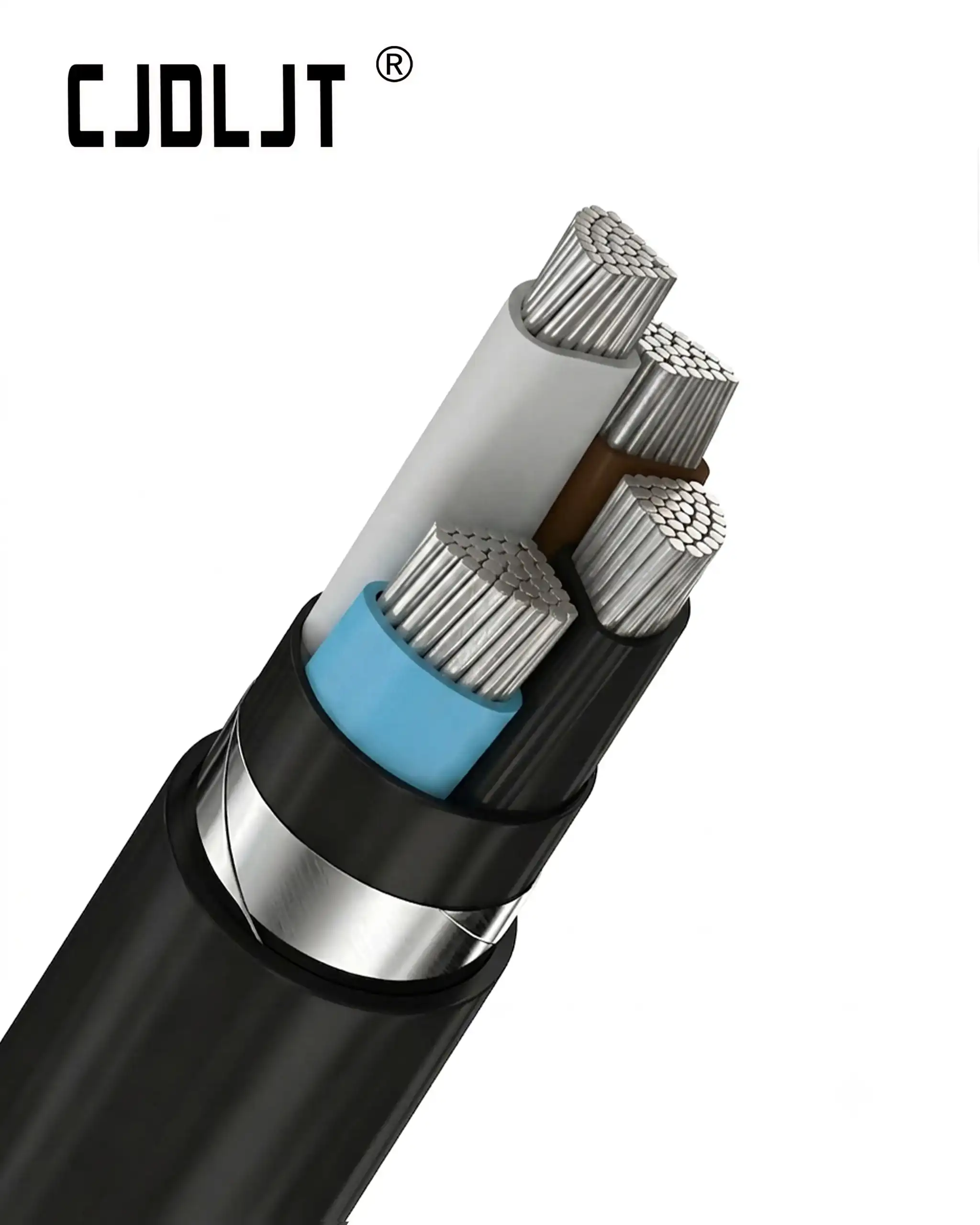
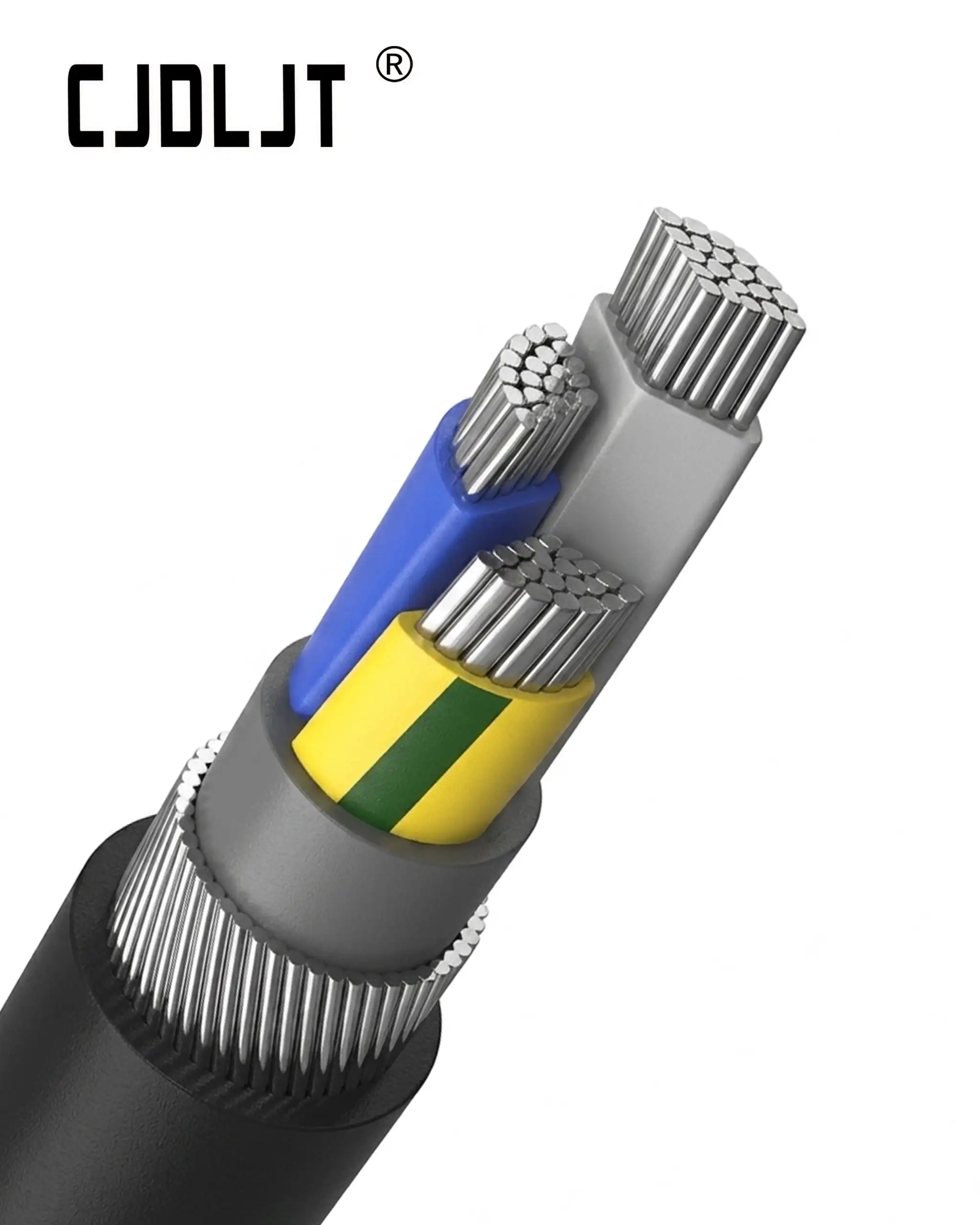
Кабели с алюминиевыми жилами обеспечивают большую экономию начальных затрат на проект
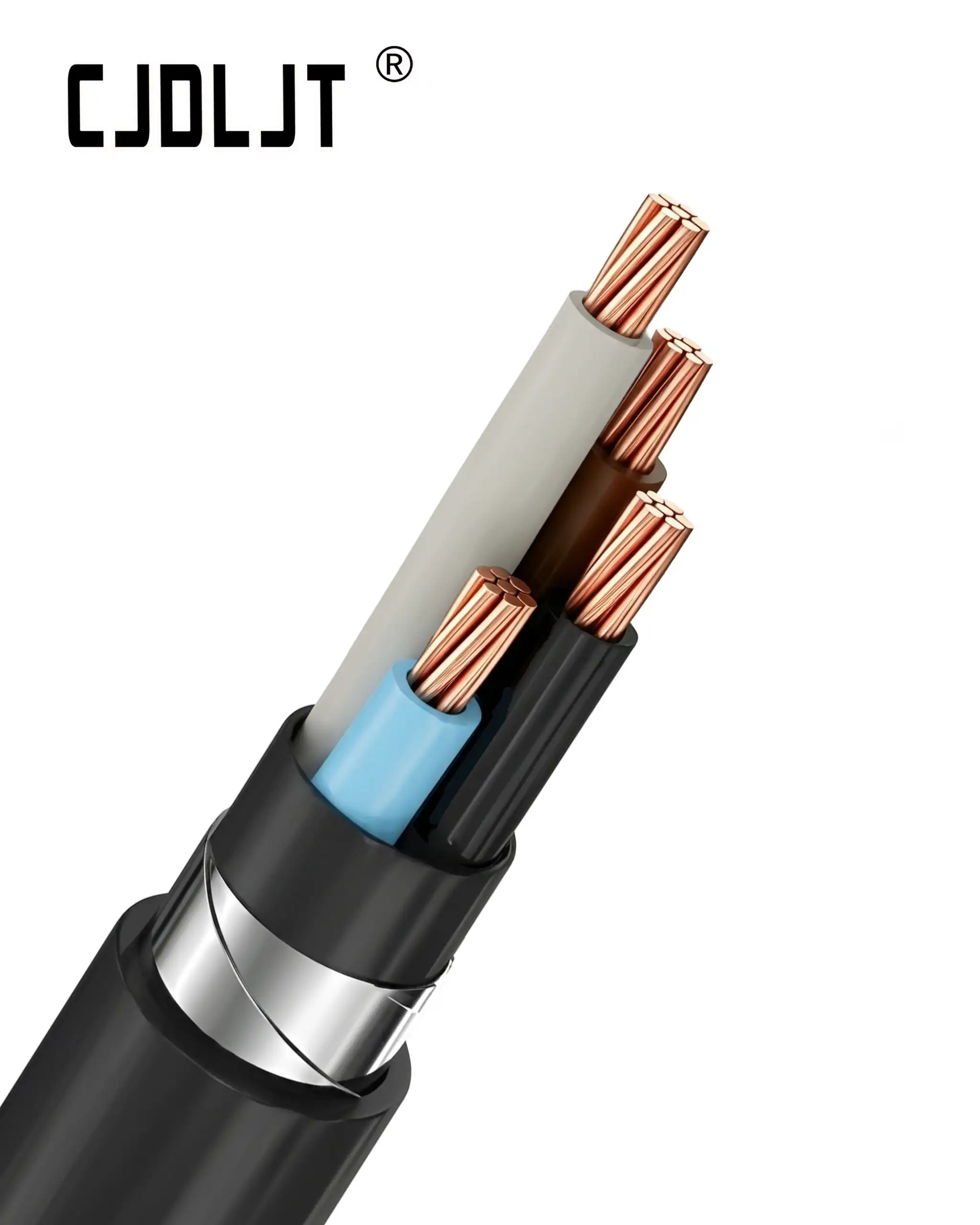
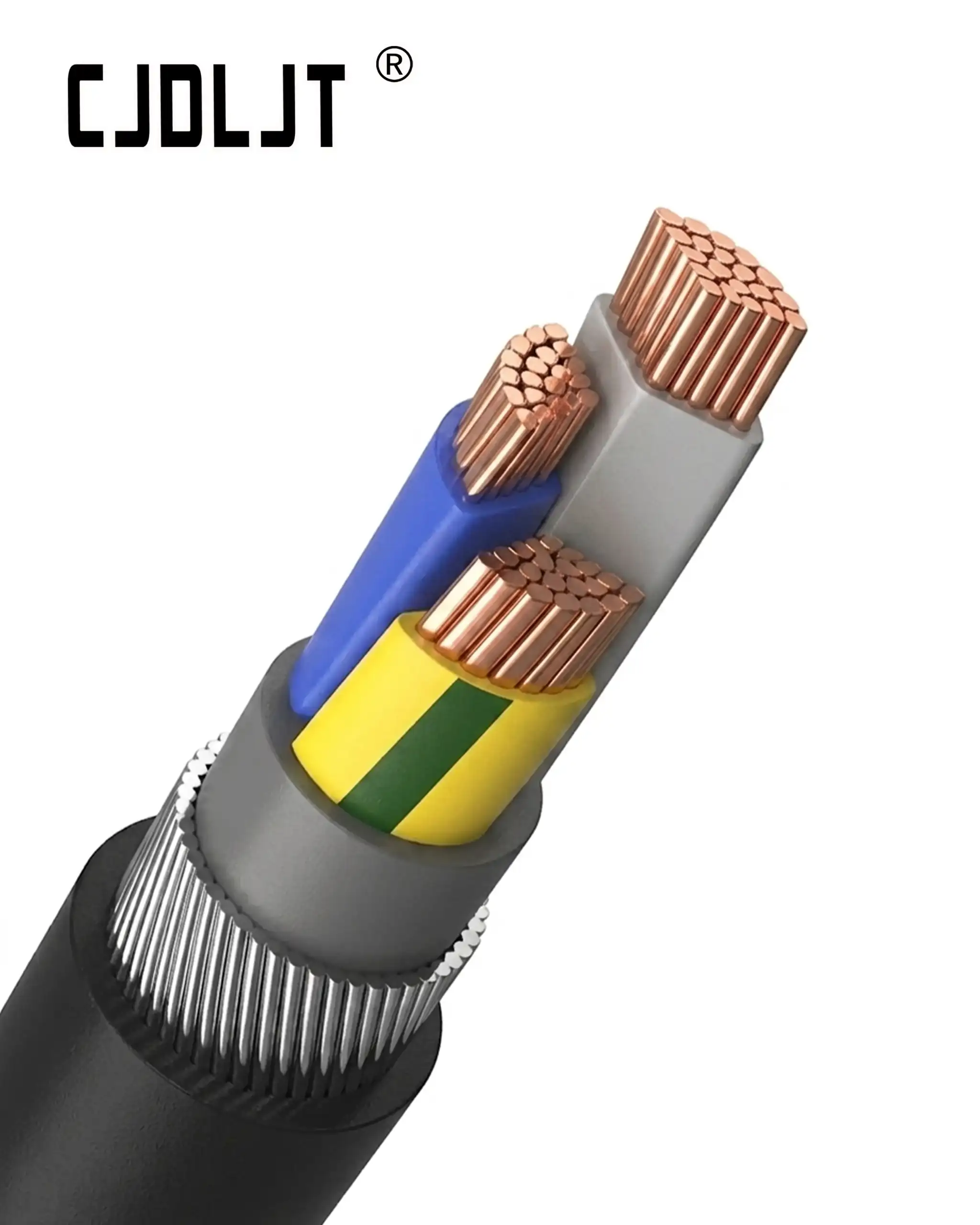
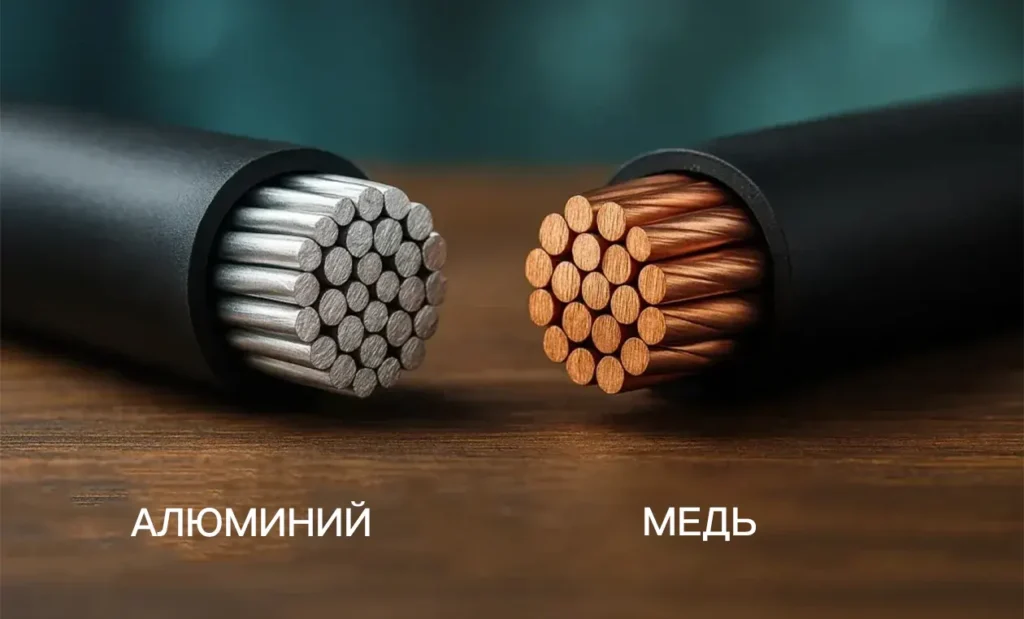
Кабели с алюминиевыми жилами обеспечивают бóльшую экономию капитальных затрат при строительстве объектов низковольтной (0,6/1 кВ) и средневольтной инфраструктуры с необходимой площадью сечения жил ≥50 mm². Хотя алюминий как сырье имеет более низкую удельную электрическую проводимость (~61% IACS) по сравнению с медью, что требует увеличения площади сечения в 1,6 раза для обеспечения аналогичной длительно допустимой токовой нагрузки (пропускной способности по току), он объёмно весит на 70% меньше. С учетом текущей разницы цен на сырьевом рынке, выбор силового кабеля с алюминиевыми жилами вместо кабеля с медными жилами снижает прямые расходы на материалы на 40% – 55%. Однако итоговая экономия должна учитывать затраты на использование кабельных каналов/труб большего диаметра и специализированные монтажные работы по оконцеванию.
Матрица технико-экономических параметров
Нижеприведенная сравнительная матрица содержит инженерные и финансовые параметры силовых кабелей с медными и алюминиевыми жилами в соответствии со стандартами IEC 60228 и IEC 60502-1.
| Технический параметр | Кабель с медными жилами | Кабель с алюминиевыми жилами | Влияние на стоимость проекта |
| Удельная электрическая проводимость | 100% IACS (Эталон) | ~61% IACS | Для аналогичной нагрузки алюминий требует увеличения площади сечения (мм²) в 1,6 раза. |
| Плотность массы | Высокая (8.9 g/cm³) | Низкая (2.7 g/cm³) | Эквивалентный кабель с алюминиевыми жилами на 50% легче; снижаются затраты на опорные конструкции (эстакады/полки). |
| Предел прочности при растяжении | Высокий (200–250 N/mm²) | Низкий (70–90 N/mm²) | При протяжке на длинных горизонтальных участках для меди требуется меньше монтажных/протяжных колодцев. |
| Стоимость сырья | Высокая (Базовый биржевой товар) | Низкая (Экономия 40%–55% на металле) | Основной фактор снижения капитальных затрат (CAPEX) для первичной инфраструктуры. |
| Характеристика окисления | Стабильный оксидный слой | Быстрообразующаяся нетокопроводящая оксидная пленка | Для алюминия требуются специализированные работы по оконцеванию с использованием медно-алюминиевых (биметаллических) гильз/наконечников. |
| Занимаемое пространство в кабельных каналах / лотках | Компактное (1.0x) | Увеличенное (~1.25x по наружному диаметру) | Алюминий увеличивает затраты на материалы вторичных кабеленесущих систем/защитных оболочек. |
Основные сценарии экономически эффективного применения
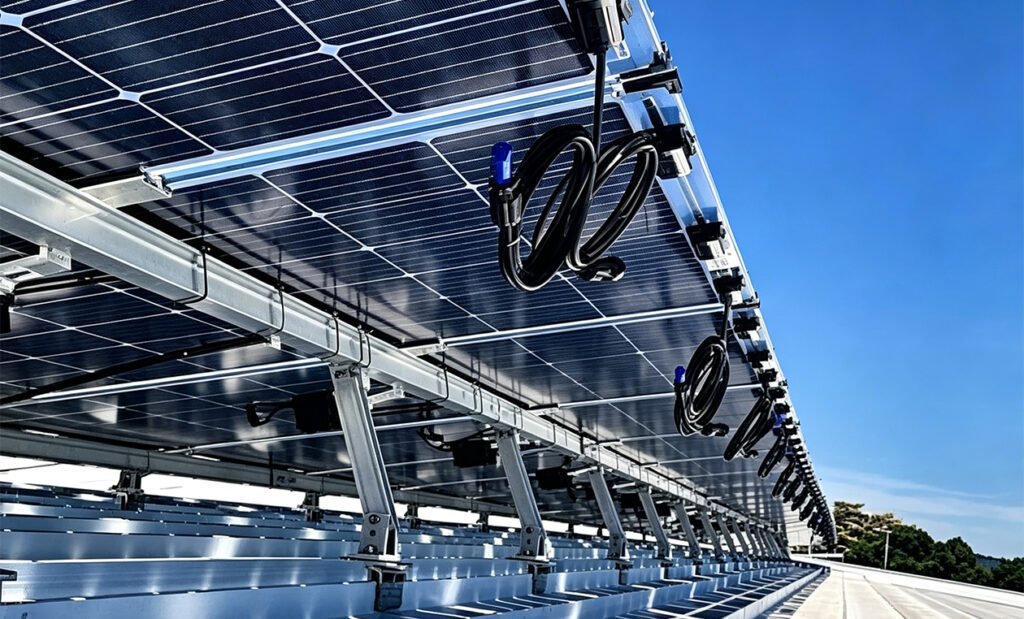
Промышленные солнечные электростанции и воздушные линии электропередачи
Для протяженных (многокилометровых) кабельных линий постоянного/переменного тока (DC/AC) и воздушных линий электропередачи экономика материалов играет решающую роль в бюджете. Применение низковольтного силового кабеля с алюминиевыми жилами 4×70 мм² или средневольтного кабеля на 0,6/1 кВ с алюминиевыми жилами минимизирует капитальные затраты на проект. Меньший конструктивный вес позволяет увеличить пролеты между опорами, снижая стоимость строительно-монтажных работ.
ЦОД с высокой плотностью оборудования и коммерческие помещения
В стесненных условиях стояковых кабельных каналов коммерческих зданий, городских высотных объектов и серверных помещений медь остается наиболее экономически выгодным решением. Компактный наружный диаметр небронированного силового кабеля с медными жилами и изоляцией из XLPE позволяет разместить большее количество кабельных линий на один квадратный метр полезной площади лотка. Такой подход позволяет избежать дополнительных трудозатрат и расходов на удорожание пространства, неизбежных при прокладке более широких трасс, требуемых для алюминиевых кабелей увеличенного сечения.