
What does AS/NZS 3560 P1 ABC cable stand for?
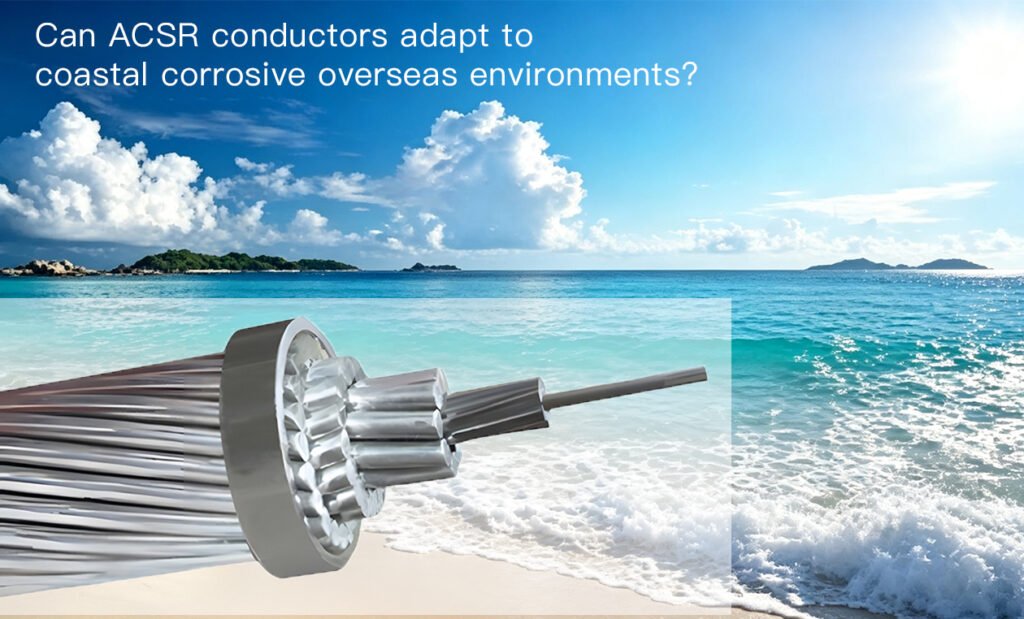
AS/NZS 3560.1 ABC Cable Specifications AS/NZS 3560.1 specifies the requirements for Aerial Bundled Cables (ABC) with cross-linked polyethylene (XLPE) insulation for seasoned overhead distribution systems, specifically rated for voltages up to and including 0.6/1 (1.2) kV. Part 1 (P1) focuses explicitly on Aluminum Conductors. In this standard, ABC cable stands for a bundled assembly of […]
Which bare overhead conductor has the best tensile strength?
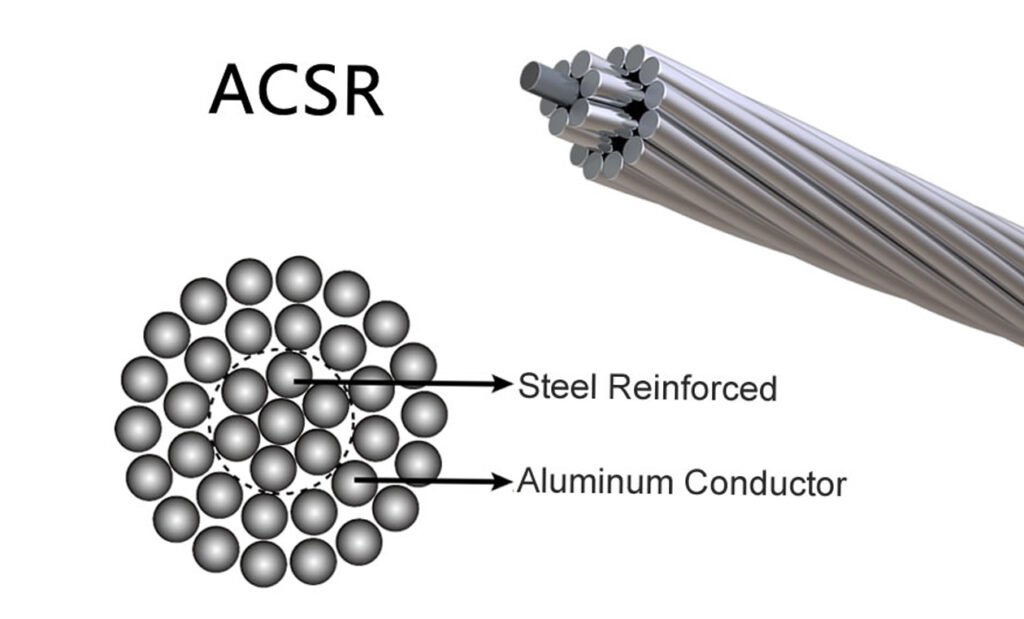
AAC vs. AAAC vs. ACSR: Tensile Strength Comparison Among standard uninsulated overhead conductors, ACSR (Aluminum Conductor Steel Reinforced) delivers the highest tensile strength. While all-aluminum variants sacrifice mechanical ruggedness for lower weight, ACSR utilizes a high-strength galvanized or alloyed steel core wrapped in concentric layers of hard-drawn EC-grade aluminum strands. This composite architecture separates mechanical […]
What are the application scenarios for BS 7870 ABC overhead cables?
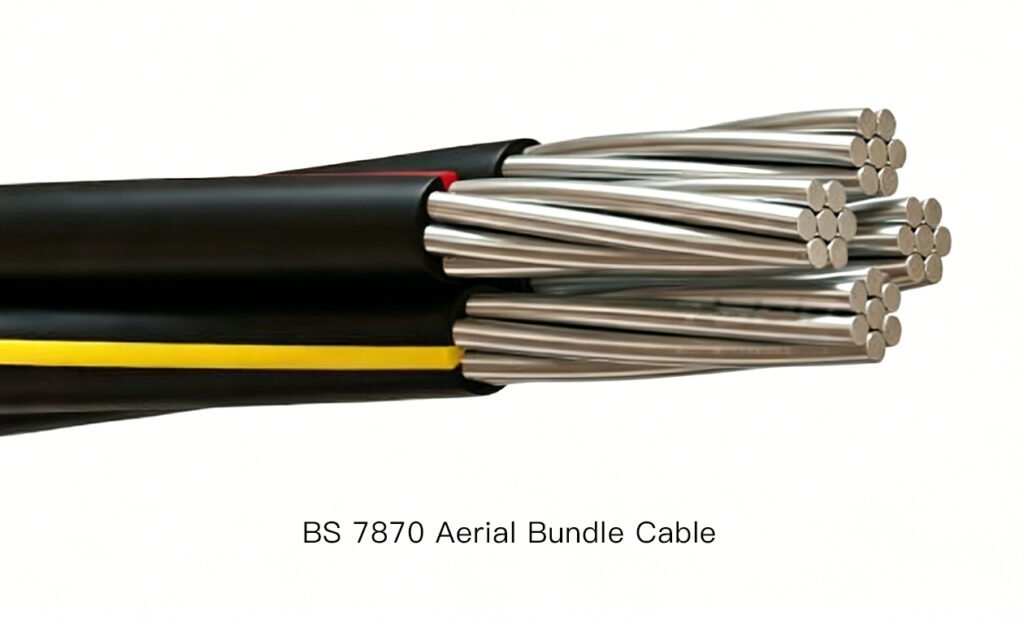
Core Application Scenarios of BS 7870 ABC BS 7870 ABC (Aerial Bundled Cable) is engineered primarily for low-voltage (0.6/1 kV) overhead electricity distribution networks. Because it complies with strict British Standards, its deployment scenarios focus on replacing hazardous bare overhead conductors with a fully insulated, self-supporting bundle. It is heavily utilized by electrical utilities, rural […]
What is BS 7870 ABC aerial cable?
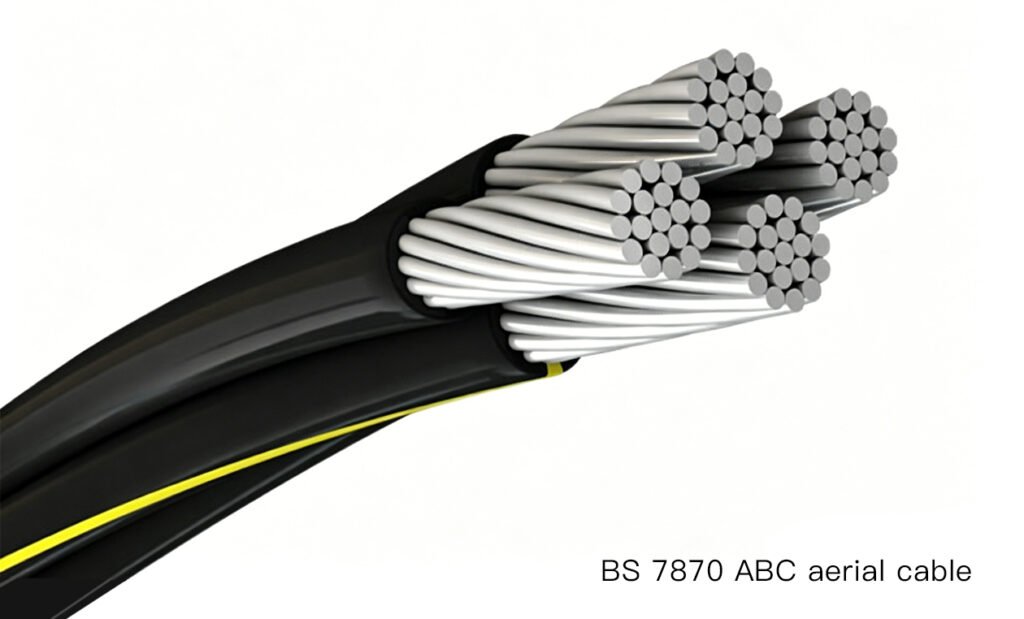
BS 7870 ABC (Aerial Bundled Cable) is a specific class of low-voltage overhead distribution cable manufactured in strict accordance with the British Standard BS 7870 series (specifically Part 5). Rated at 0.6/1 kV, these cables feature one to four insulated core conductors twisted tightly around each other. Unlike older overhead cable designs that use a […]
How to choose the right ACSR conductor for overhead transmission lines?
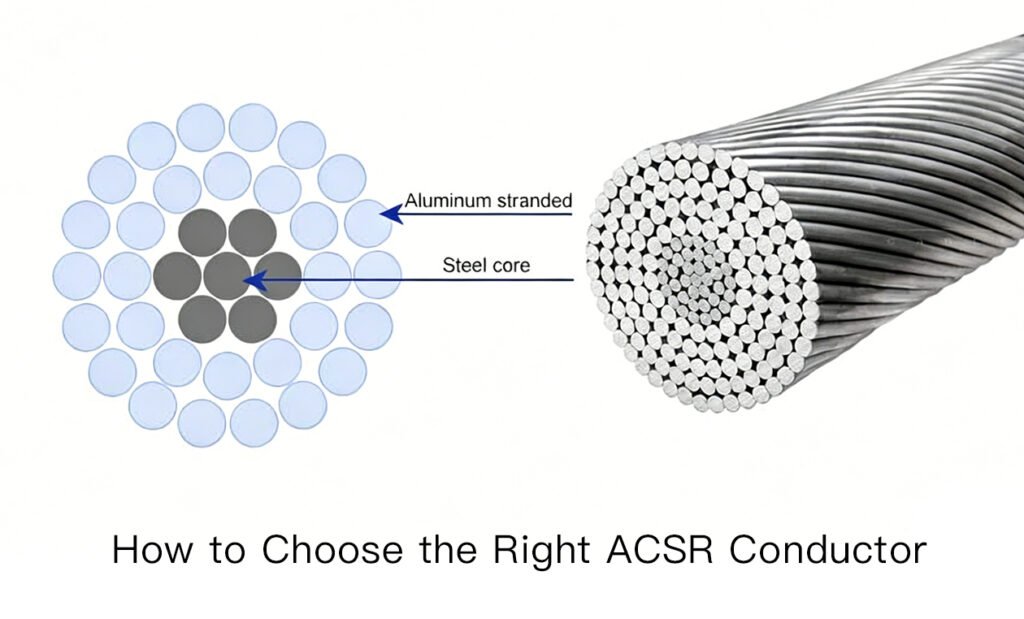
How to Choose the Right ACSR Conductor Choosing the right ACSR (Aluminum Conductor Steel Reinforced) conductor requires matching the electrical ampacity requirements, mechanical span loads, and environmental conditions of the transmission line with the correct aluminum-to-steel cross-sectional ratio. Engineered under standards like ASTM B232 or IEC 61089, selection focuses on balancing the current-carrying capacity of […]
What is ABC (Aerial Bundled Cable) Used For?
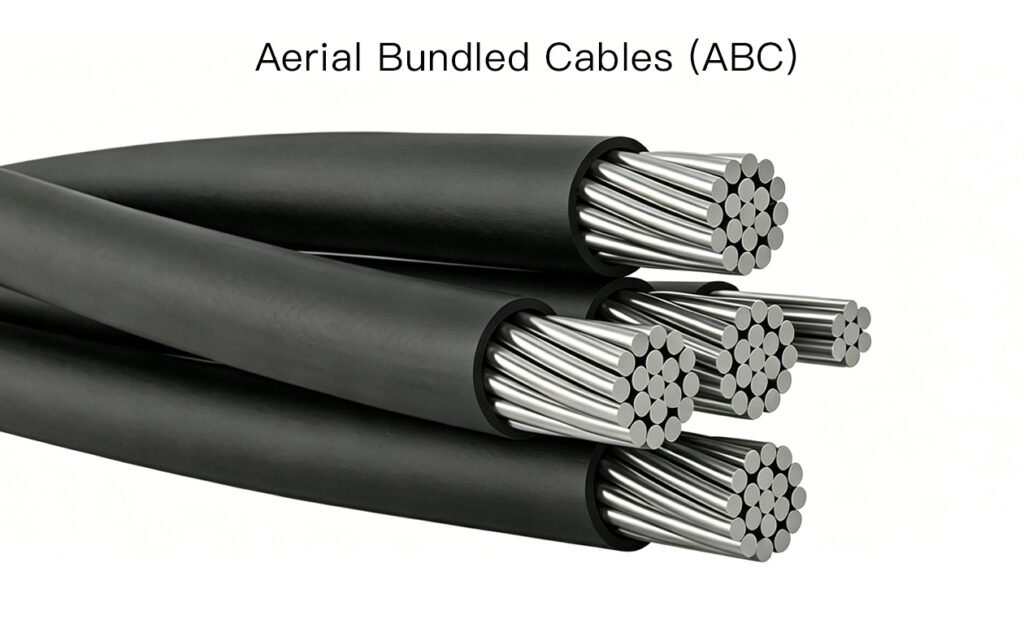
Aerial Bundled Cables (ABC) are primarily used for overhead electric power distribution in low-voltage (LV) and medium-voltage (MV) systems, typically ranging from 0.6/1 kV to 33 kV. Governed by international standards such as IEC 60502, NF C 33-209, and AS/NZS 3560, ABC systems replace traditional bare copper or aluminum overhead conductors. Their core application is […]
What is the difference between AAC, AAAC and ACSR conductors?
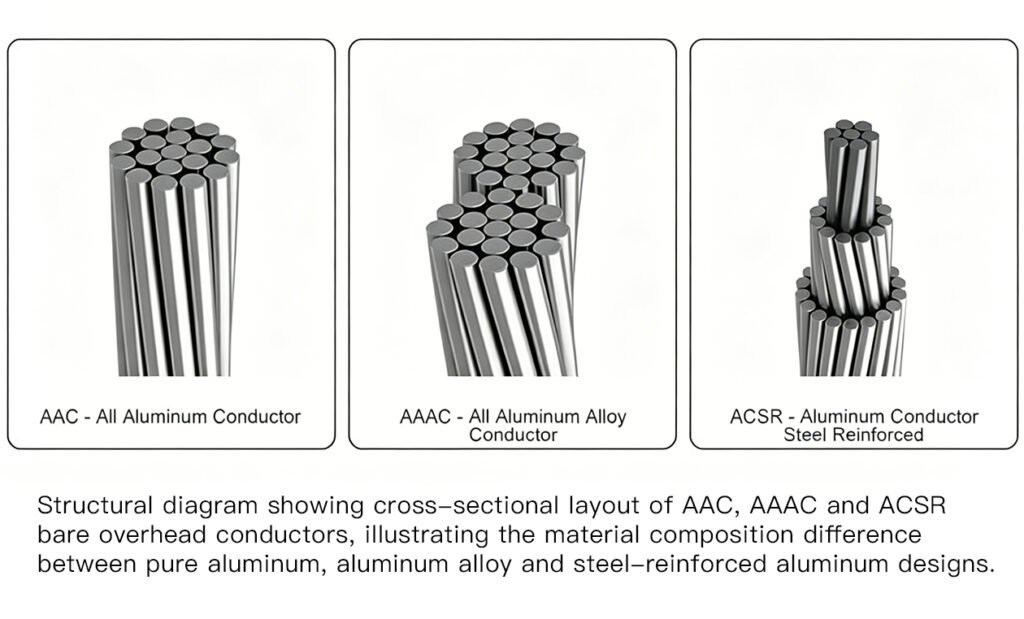
The Core Differences Between AAC, AAAC, and ACSR Conductors AAC (All Aluminum Conductor), AAAC (All Aluminum Alloy Conductor), and ACSR (Aluminum Conductor Steel Reinforced) are bare overhead transmission and distribution conductors. The primary differences lie in their material composition, mechanical strength, weight-to-span ratios, and electrical conductivity. Technical Parameter Comparison Matrix The following structural matrix outlines […]
What are the special structural requirements and key points for selecting elevator traveling cables?
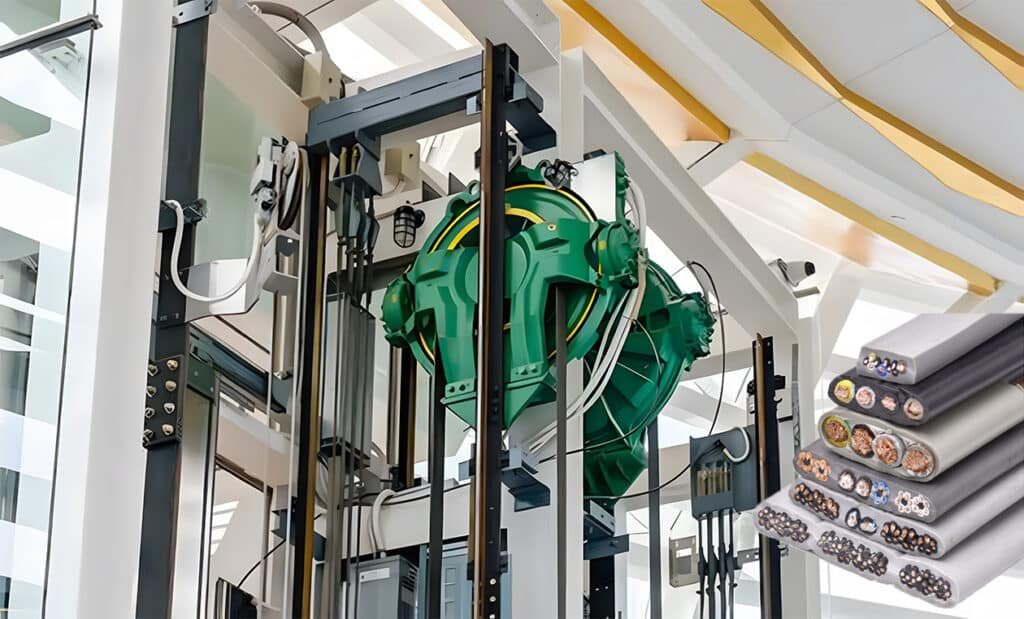
Special Structural Requirements of Elevator Travelling Cables Elevator travelling cables must withstand continuous flexing, high tensile loads, and torsional stress while maintaining electrical integrity. Unlike fixed wiring, their construction requires a highly flexible annealed copper conductor (Class 5 or Class 6 per IEC 60228) to prevent fatigue breakage. The cores are laid up parallel or […]
What type of cable is suitable for high-temperature environments (such as metallurgy and boiler rooms)?
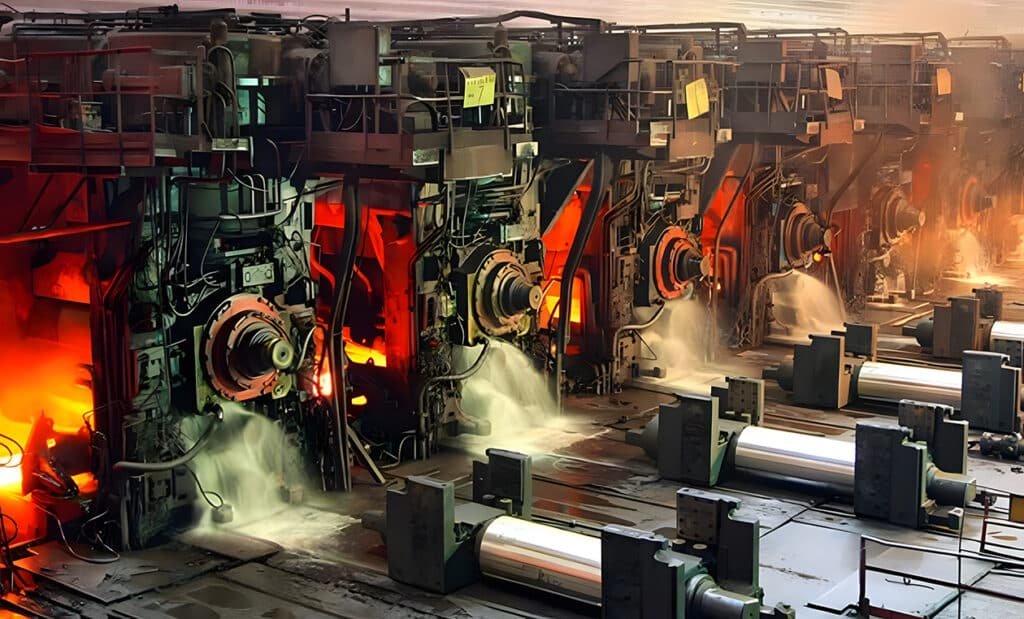
Core Selection for High-Temperature Metallurgy and Boiler Environments Silicone rubber-insulated, fiberglass-braided cables (such as H05SJ-K or GG2G) and Fluoroplastic-insulated cables (PTFE/PFA/FEP, such as YGC or KGG) are the definitive choices for high-temperature metallurgy and boiler room environments. These cables withstand continuous operating temperatures ranging from -60°C to +200°C (up to +260°C for PTFE), far exceeding […]
How should cable sheath materials be selected in humid/underwater environments?
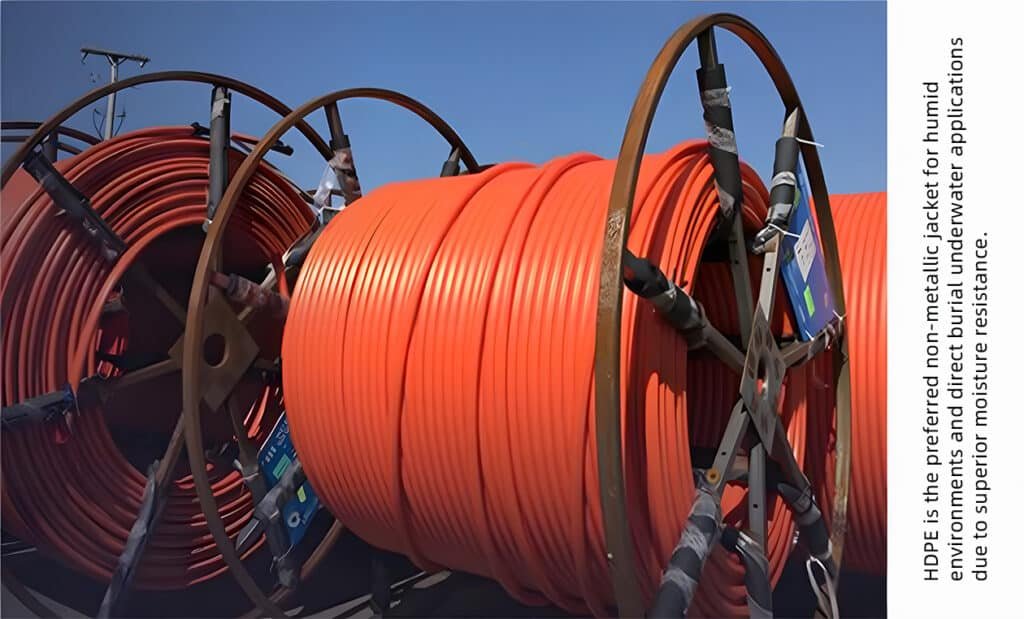
Cable Sheath Selection for Humid and Underwater Environments For humid and underwater environments, cable sheath selection must prioritize long-term hydrolytic stability, moisture barrier efficacy, and mechanical integrity. Polyethylene (PE), specifically High-Density Polyethylene (HDPE) and Linear Low-Density Polyethylene (LLDPE), serves as the industry standard for direct burial and subsea applications due to its exceptional water permeability […]