
Aluminium vs copper conductor cable: Which saves more project cost?
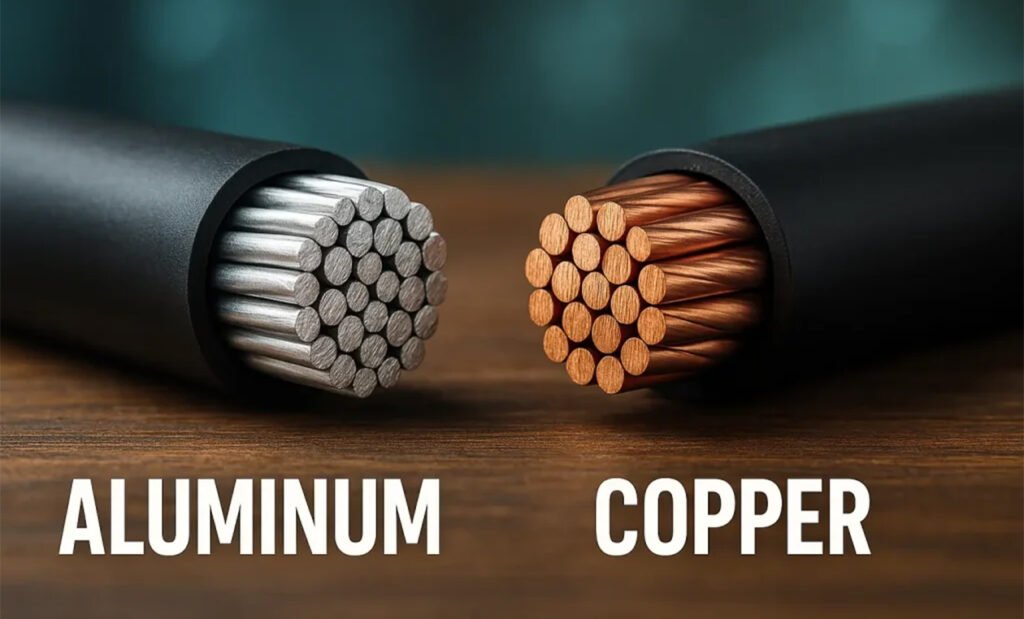
Aluminium Conductor Cable Saves More Initial Project Cost Aluminium conductor cables save more initial project cost for low-voltage (0.6/1kV) and medium-voltage infrastructure installations requiring conductor cross-sections ≥50 mm². Although raw aluminium exhibits lower electrical conductivity (~61% IACS) than copper, necessitating a 1.6x larger cross-sectional area to achieve equivalent current-carrying capacity (ampacity), it weighs 70% less […]
Why choose LSZH 318-B flexible cable over PVC wiring for public buildings?
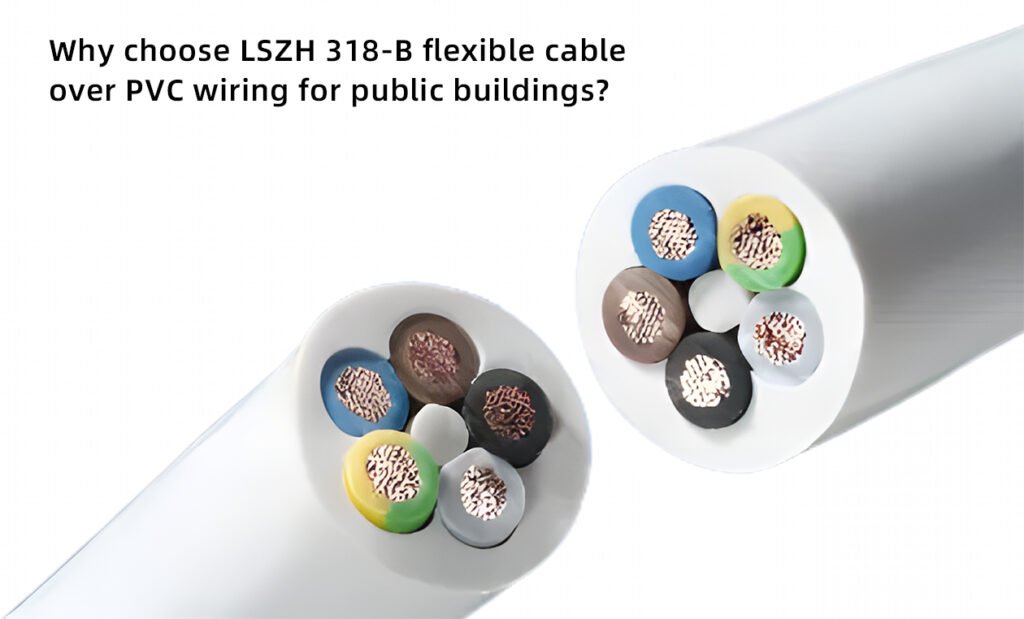
Selecting Low Smoke Zero Halogen (LSZH) 318-B flexible cable over standard Polyvinyl Chloride (PVC) wiring in public buildings is a critical safety directive governed by international fire regulations. In a fire scenario, standard PVC sheathing undergoes thermal decomposition, releasing dense black smoke and highly toxic, corrosive hydrogen chloride (HCl) gas. In contrast, the 318-B cable—a […]
How to pick armoured cable for underground construction projects?
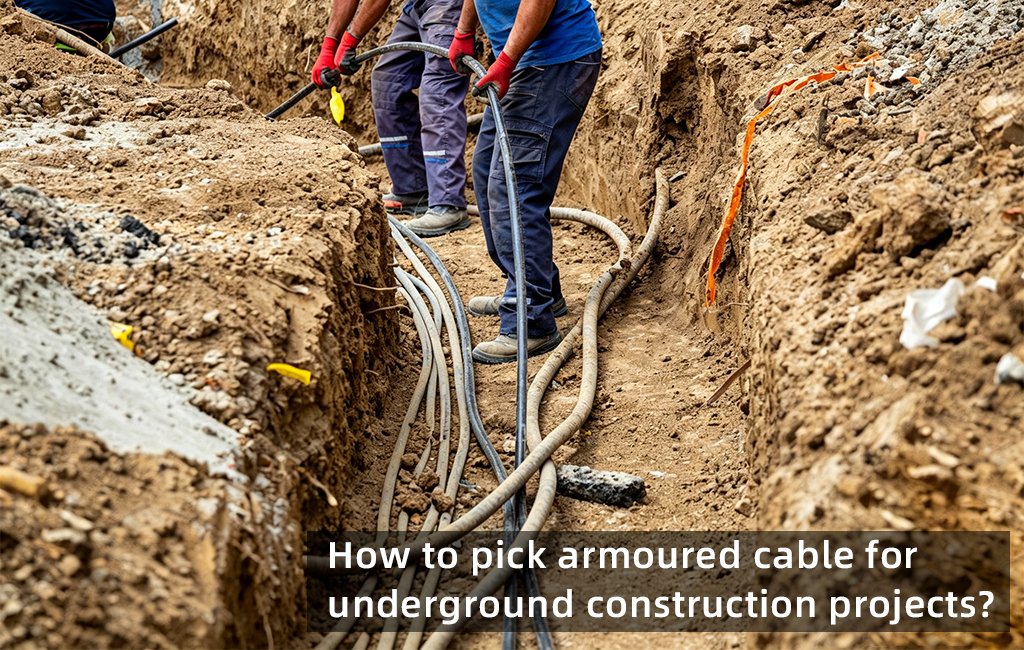
Criteria for Selecting Armoured Cable in Underground Construction Selecting the correct low-voltage (0.6/1kV) or medium-voltage armoured cable for underground burial requires balancing mechanical protection, environmental conditions, and electrical performance. Subsurface environments expose cables to high soil compaction, moisture, chemical ingress, and potential accidental impact from excavation tools. To ensure compliance with global standards (such as […]
LSZH vs PVC cable: Which one should I choose?
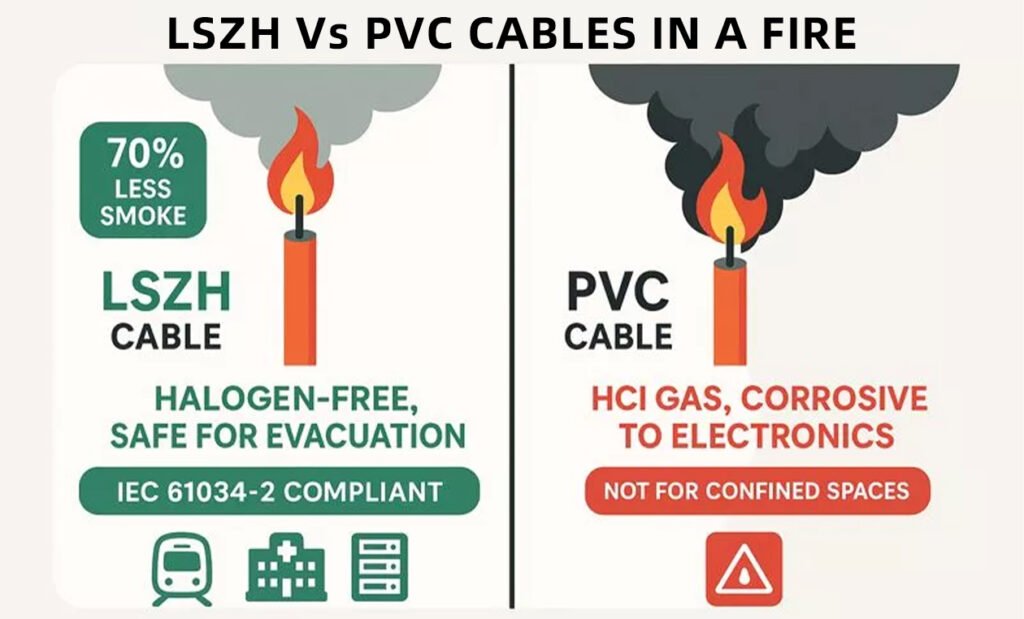
Critical Criteria for LSZH vs. PVC Cable Selection The decision to choose between LSZH (Low Smoke Zero Halogen) and PVC (Polyvinyl Chloride) cable jackets depends primarily on the installation environment, life safety requirements, and local building codes, rather than electrical performance. While both jacket types can maintain identical data or power transmission specifications (e.g., Cat6A […]
Where is N2XY cable typically used?
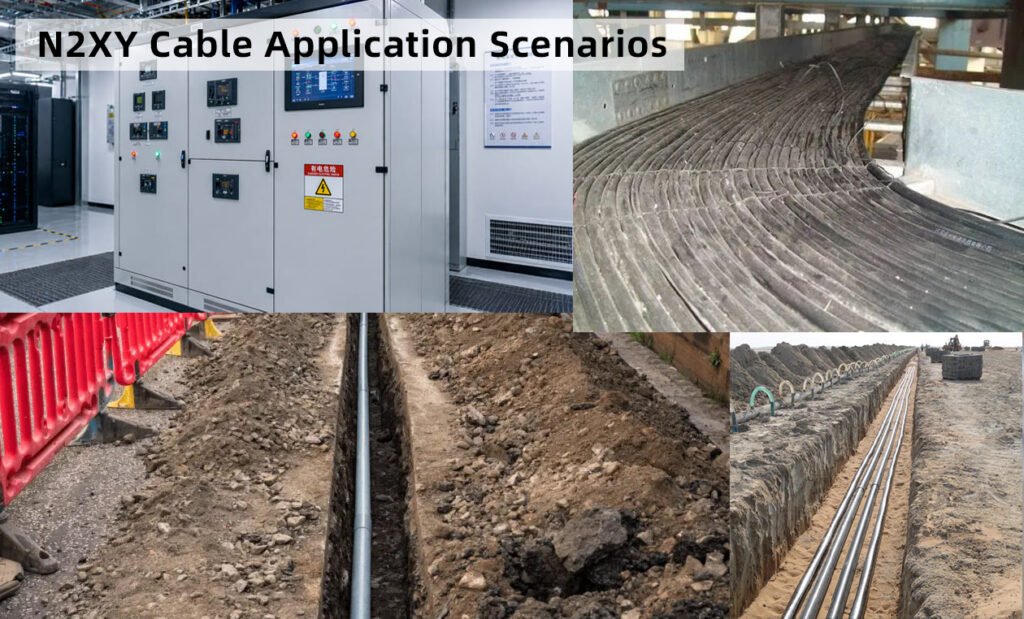
Typical Application Scenarios for N2XY Cables N2XY cables are primarily engineered for fixed installations in low-voltage power supply and distribution systems operating at rated voltages of 0.6/1 kV. Unlike NA2XY cables which utilize aluminum, N2XY cables feature annealed copper conductors, offering higher conductivity and superior flexibility. They are ideally suited for industrial plants, commercial buildings, […]
What are H05V-K & H07V-K flexible cables used for?
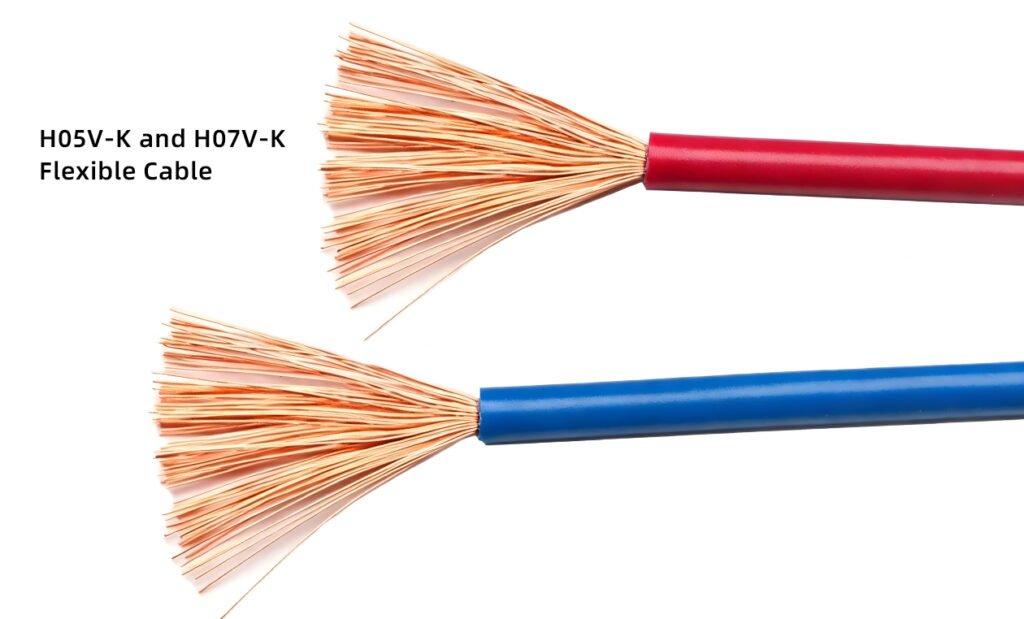
H05V-K and H07V-K Flexible Cable Applications H05V-K and H07V-K are harmonized (HAR), single-core, flexible PVC insulated wires designed for internal wiring in switchgear, control panels, electronic equipment, and lighting fixtures. Manufactured under the harmonized standard EN 50525-2-31 (formerly HD 21.3), these cables feature a Class 5 fine-stranded annealed copper conductor to facilitate easy routing in […]
What does SWA & DSTA armoured cable mean?
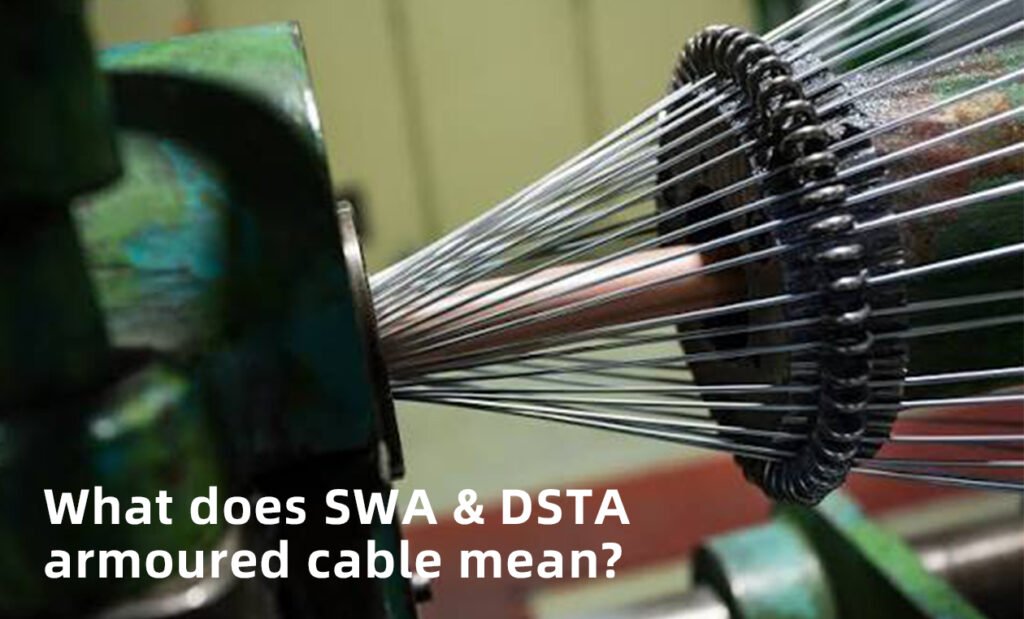
Definition and Technical Meaning of SWA and DSTA Armoured Cables SWA stands for Steel Wire Armour, and DSTA stands for Double Steel Tape Armour. Both terms designate specific mechanical protection layers applied to electrical power and control cables to safeguard the underlying insulation and conductors from mechanical stresses, external impacts, and environmental hazards. According to […]
What’s the difference between N2XY and NA2XY power cables?
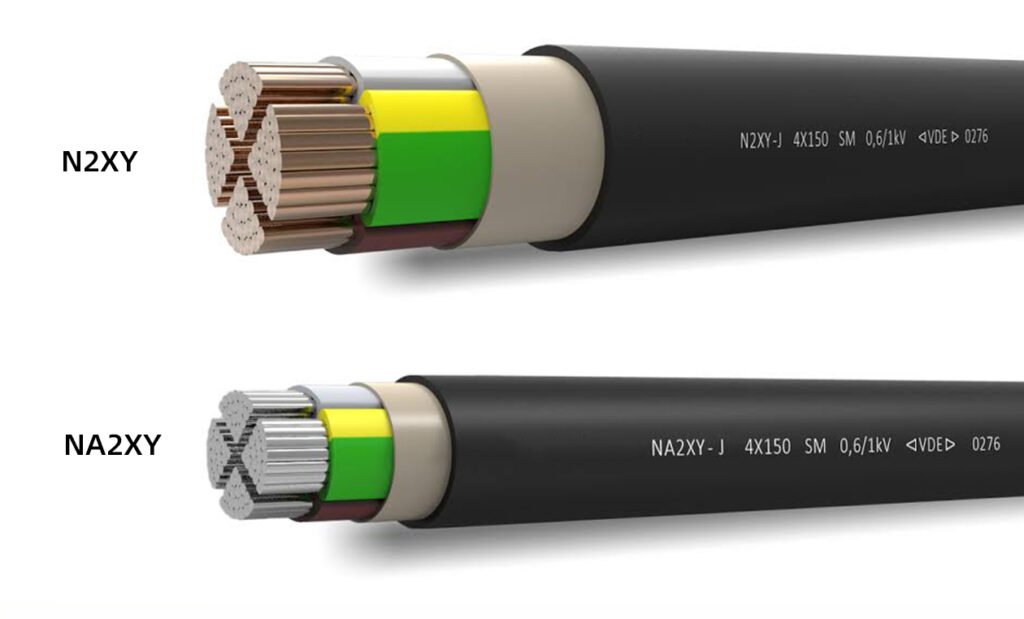
Understanding the Key Differences Between N2XY and NA2XY Power Cables The core difference between N2XY and NA2XY power cables lies entirely in the conductor material: N2XY utilizes plain annealed copper conductors, whereas NA2XY utilizes solid or stranded aluminum conductors. According to the VDE standard designation system, the letter «A» immediately following the «N» signifies an […]
Is AS/NZS 3560 P1 ABC cable anti-UV for Australian harsh weather?
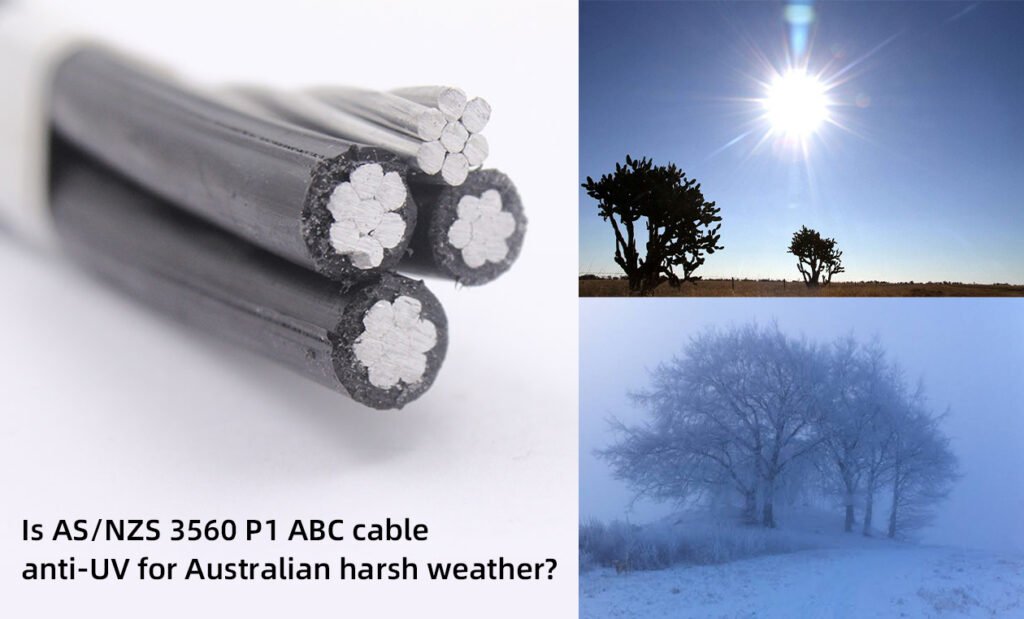
AS/NZS 3560.1 ABC Cable UV Resistance AS/NZS 3560.1 Aerial Bundled Cables (ABC) are engineered with comprehensive ultraviolet (UV) protection explicitly designed to withstand the high solar irradiance and extreme ambient temperatures of the Australian environment. The core protective mechanism relies on the integration of carbon black into the Cross-Linked Polyethylene (XLPE) insulation compound. According to […]
Can ACSR conductors adapt to coastal corrosive overseas environments?
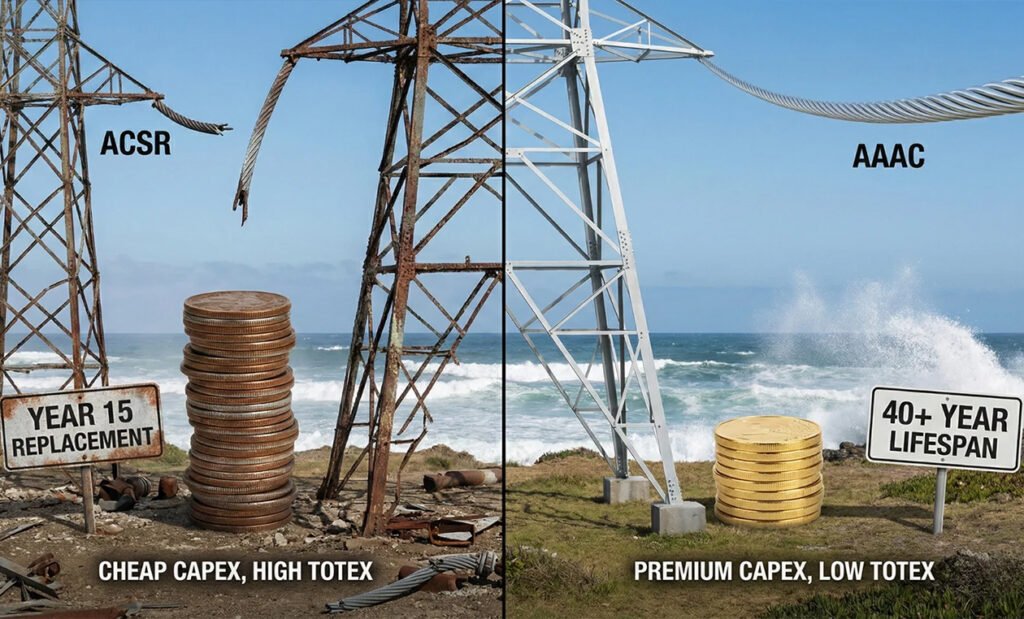
Performance of ACSR Conductors in Coastal Corrosive Environments Standard ACSR (Aluminum Conductor Steel Reinforced) conductors have limited inherent adaptability to coastal corrosive environments due to galvanic corrosion. When exposed to marine atmospheres containing high chloride concentrations (Cl⁻) and moisture, the potential difference between the outer aluminum strands and the inner zinc-coated (galvanized) steel core forms […]