
What are the key differences in the selection criteria for outdoor direct-buried cables and conduit cables?
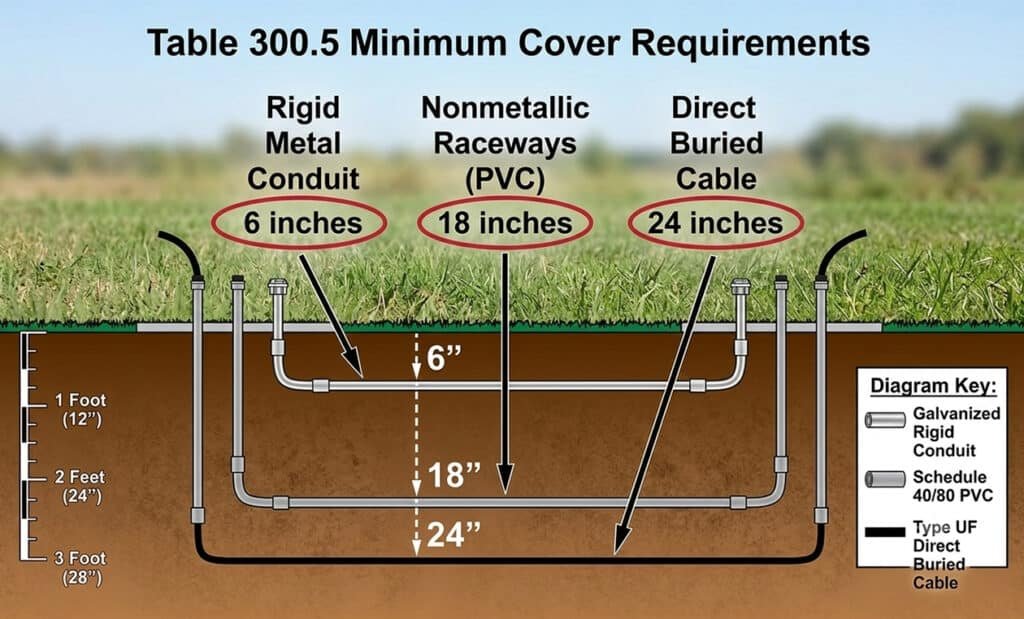
The selection criteria differences between outdoor direct-buried and conduit cables center on mechanical protection and environmental isolation. Direct-buried cables require inherent mechanical robustness, typically utilizing Steel Wire Armor (SWA) or Steel Tape Armor (STA) to survive crushing forces, rock migration, and rodent attacks without external enclosures. Conversely, conduit cables rely on external rigid metal or […]
What are the differences in stranding density between compacted and non-compacted conductors?
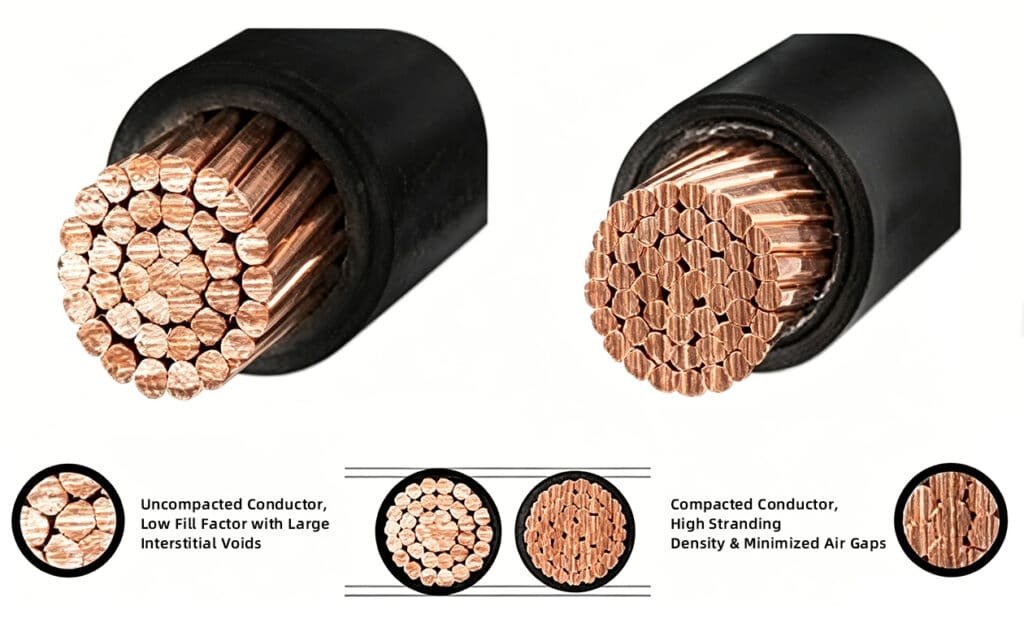
Differences in Stranding Density Between Compacted and Non-Compacted Conductors The primary difference between compacted and non-compacted conductors lies in the fill factor and the resulting outer diameter (OD). Non-compacted conductors retain standard helical interstitial voids between strands, yielding a fill factor of approximately 75% to 80%. Conversely, compacted conductors undergo drawing dies or rollers during […]
What are the effects of different temperatures on the properties of PVC in the cable sheath extrusion process?
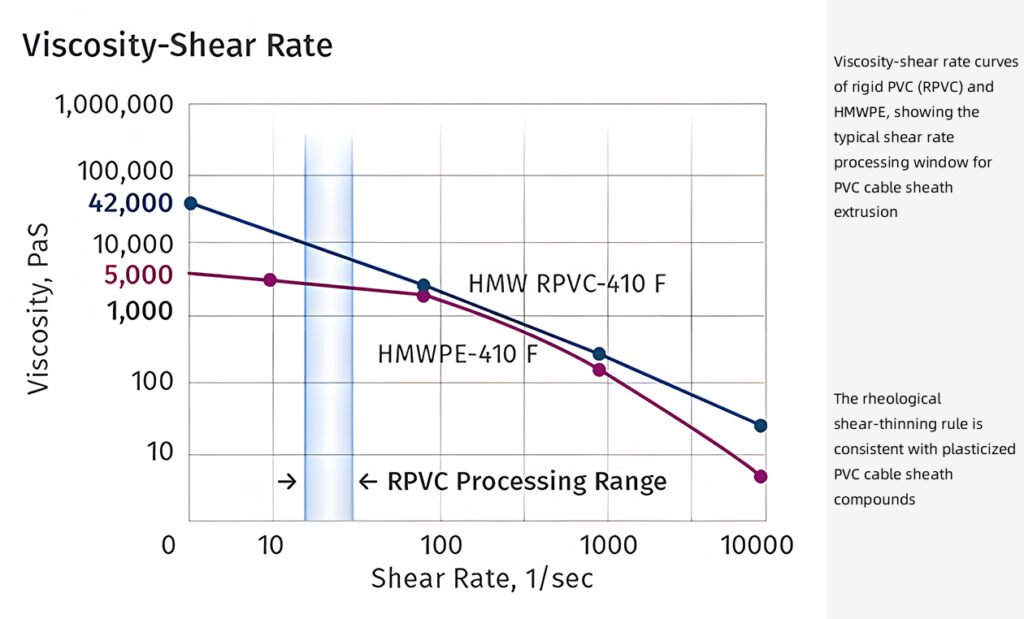
Effects of Temperature on PVC Sheath Extrusion During the cable sheath extrusion process, polyvinyl chloride (PVC) transitions through distinct thermodynamic states that dictate its rheological and mechanical properties. Strict temperature control is critical: underheating results in incomplete gelation (fusion), high melt viscosity, and surface defects like «sharkskin,» while overheating triggers autocatalytic thermal degradation, releasing hydrochloric […]
What is the difference in oxidation resistance between tin-plated copper conductors and bare copper conductors?
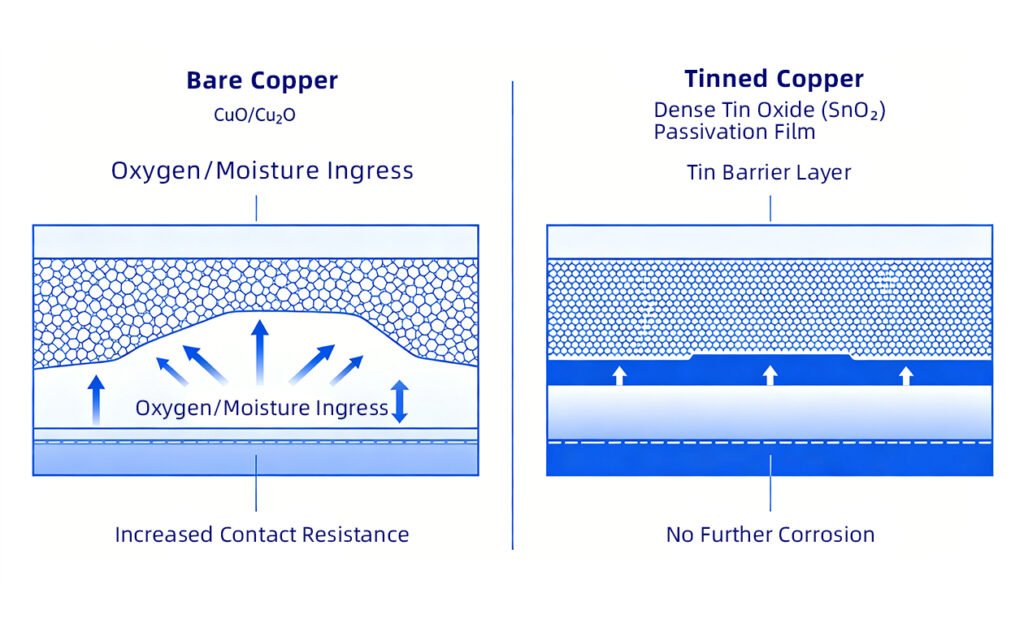
Difference in Oxidation Resistance Between Tin-Plated and Bare Copper Conductors Tin-plated copper conductors exhibit significantly higher oxidation resistance than bare copper conductors, particularly in high-temperature, humid, or corrosive environments. Bare copper reacts with atmospheric oxygen and moisture to form copper oxide (CuO\mathrm{CuO} or Cu2O\mathrm{Cu}_2\mathrm{O}), which increases contact resistance and accelerates degradation. Tin-plating creates a sacrificial […]
What is the importance of «concentricity control» in the cable insulation extrusion process?
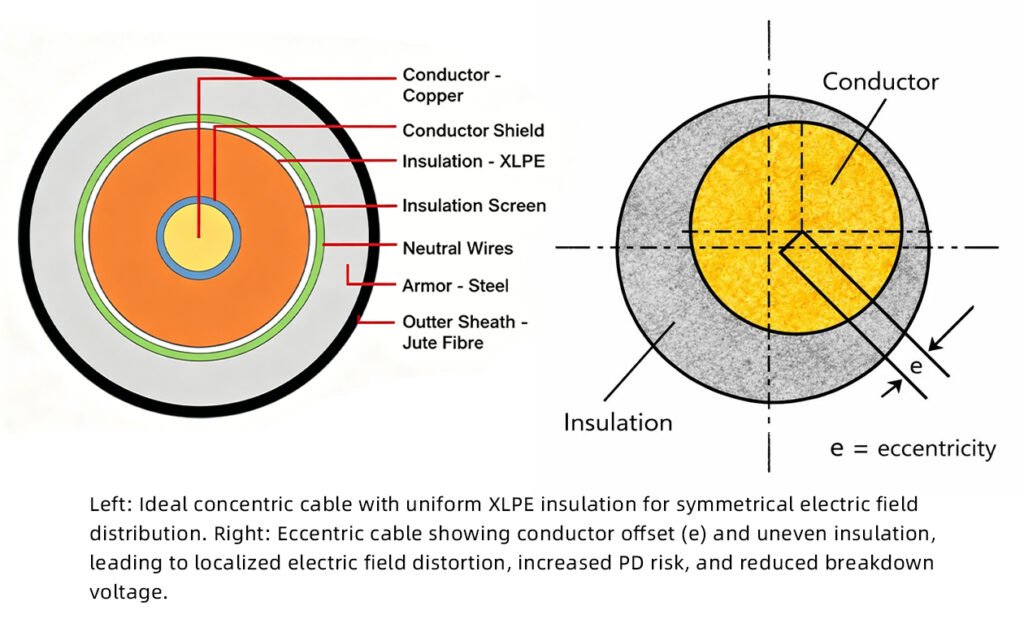
Why Concentricity Control Matters in Cable Insulation Extrusion Concentricity control in cable insulation extrusion ensures that the conductor rests precisely in the geometric center of the insulating layer (such as XLPE, PVC, or LSZH). Maintaining a high concentricity ratio—ideally above 90%—is critical to preventing electrical and mechanical asymmetry. If the insulation wall thickness becomes uneven […]
Material differences and applicable scenarios between armor steel belts and steel wires
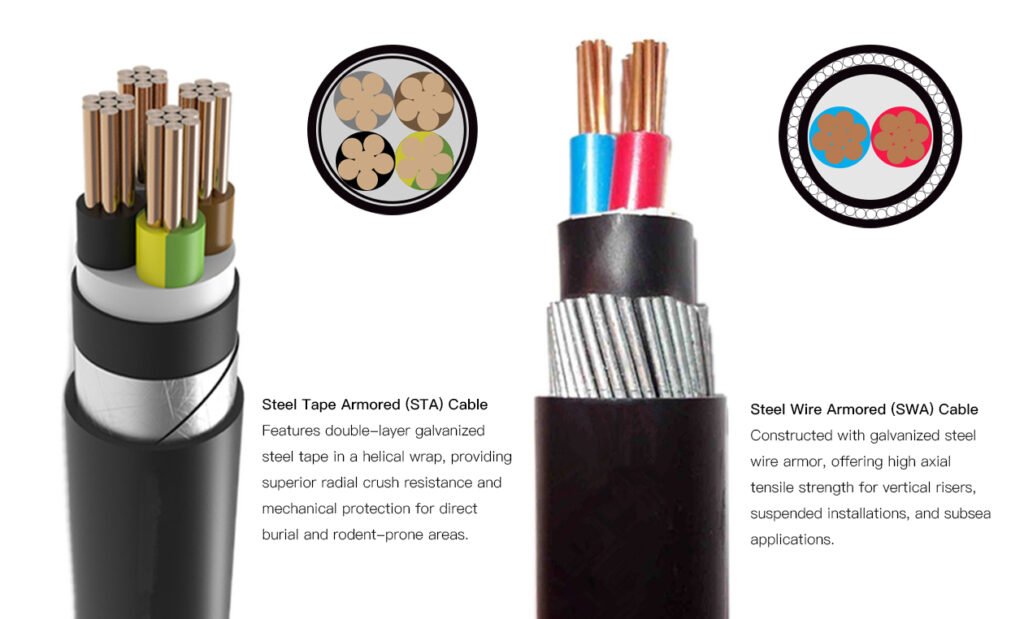
Armored Cables: Steel Tape Armor (STA) vs. Steel Wire Armor (SWA) The fundamental difference between Steel Tape Armor (STA) and Steel Wire Armor (SWA) lies in their mechanical protection profiles. STA uses overlapping helical steel tapes to provide superior radial protection against crushing forces and rodent penetration. SWA utilizes a layer of galvanized steel wires […]
The impact of stranding pitch on cable performance in cable cabling process
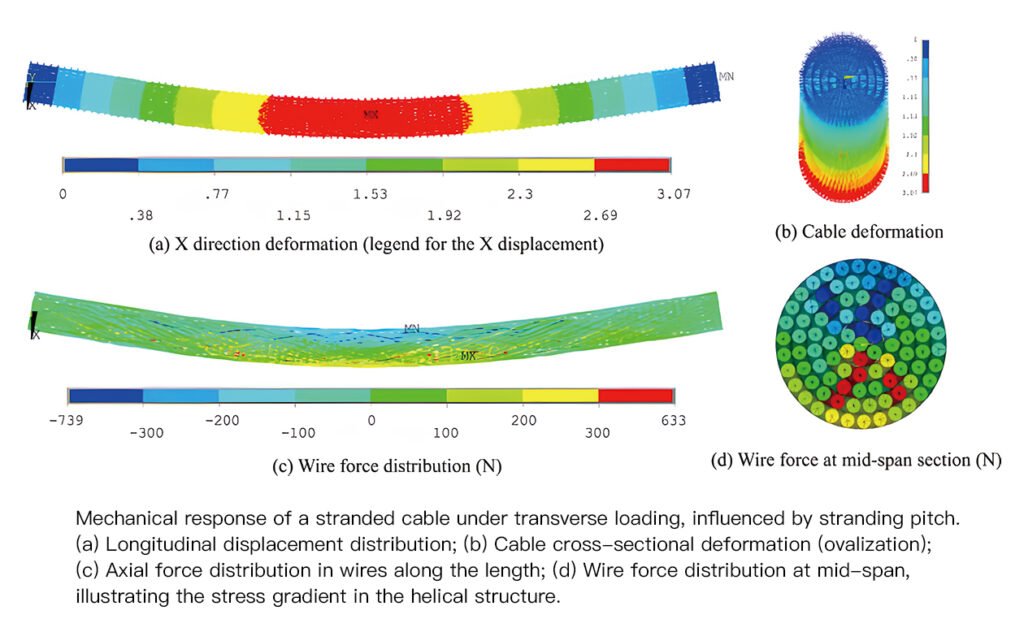
Stranding Pitch Optimization and Cable Kinematics The stranding pitch—commonly defined as the axial length required for a single insulated conductor or strand to complete one full 360 °C helical revolution around the cable core—is a critical geometric variable in the cabling process. It directly determines the mechanical stability, tortional balance, and electrical performance of multi-core […]
The effect of cable conductor annealing process on the flexibility of flexible wire
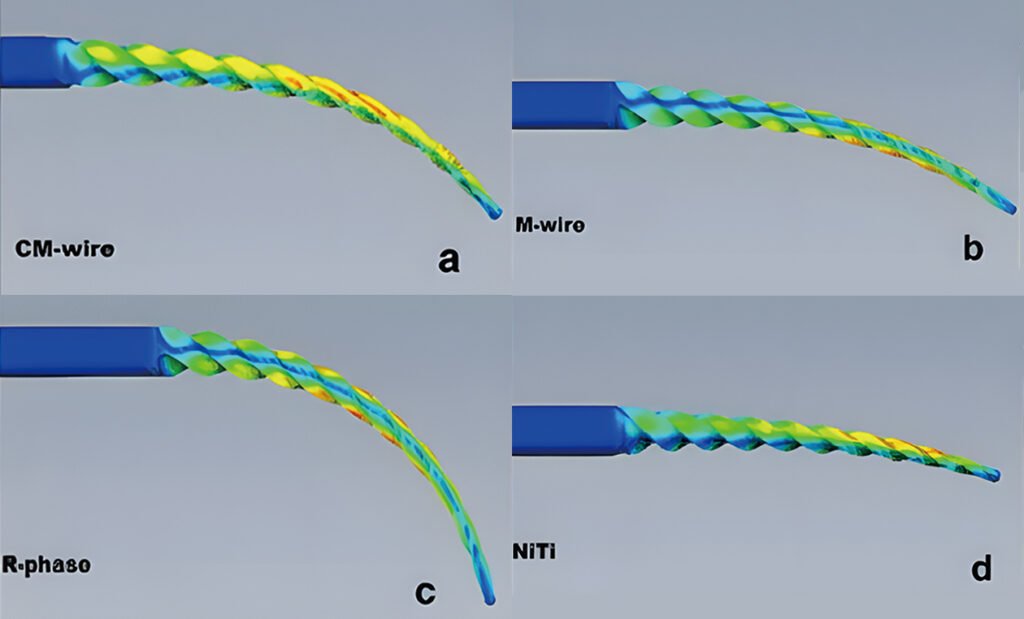
Annealing Process Impact on Flexible Wire Flexural Performance The annealing process directly determines the flexibility of a cable conductor by recrystallizing the elongated, work-hardened crystal grains of drawn copper or aluminum. During cold drawing, the metal’s grain structure becomes highly stressed and elongated, resulting in high tensile strength but severe brittleness and minimal flexibility. Heating […]
What are the structural differences and key distinctions between flame-retardant cables and fire-resistant cables?
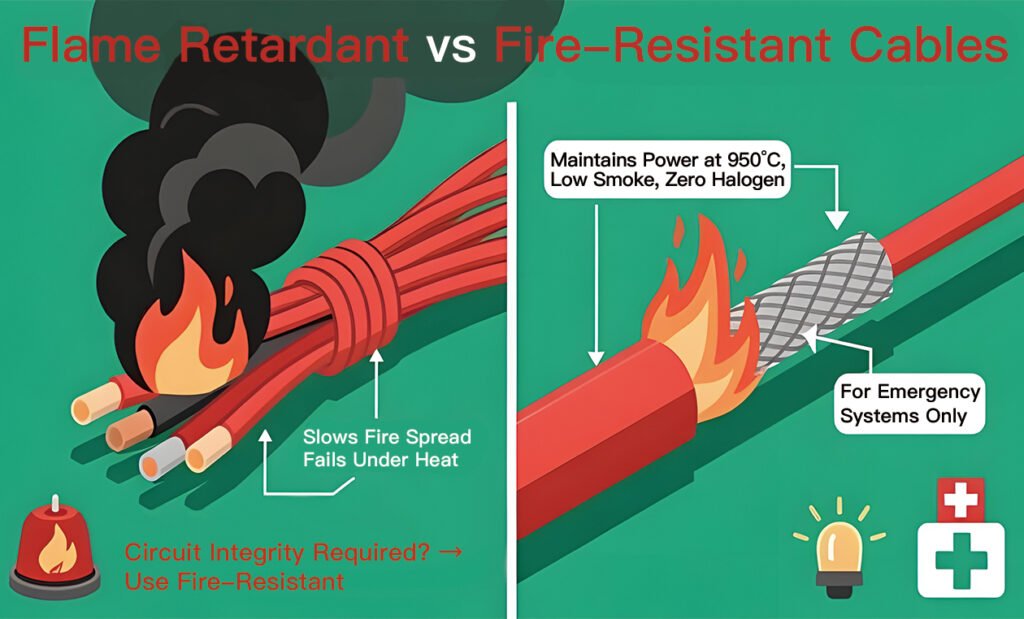
Core Distinction: Flame-Retardant vs. Fire-Resistant Cables The primary structural distinction between flame-retardant and fire-resistant cables lies in their design objectives during a fire event. Flame-retardant cables are engineered to prevent the propagation of fire along the cable run; they self-extinguish once the external flame source is removed but will fail electrically if engulfed in fire. […]
Comparison of conductivity, weight, and cost of copper and aluminum conductors
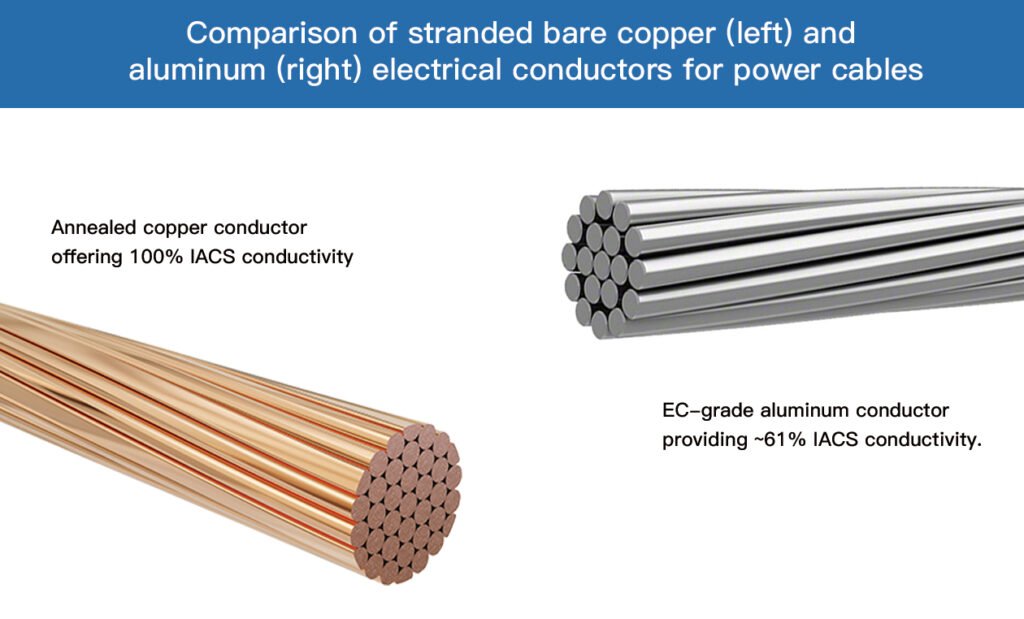
Copper vs. Aluminum Conductors: Conductivity, Weight, and Cost The selection between copper (Cu) and aluminum (Al) conductors in electrical cable manufacturing is governed by the trade-offs between electrical conductivity, mechanical mass, and material economics. According to IEC 60228, copper offers a higher reference conductivity (100%100\% IACS), allowing for smaller cross-sectional areas (mm2mm^2) for a given […]