
Кабель NA2XRH 0,6/1 кВ с алюминиевыми жилами (XLPE/SWA/LSZH, по IEC 60502-1)
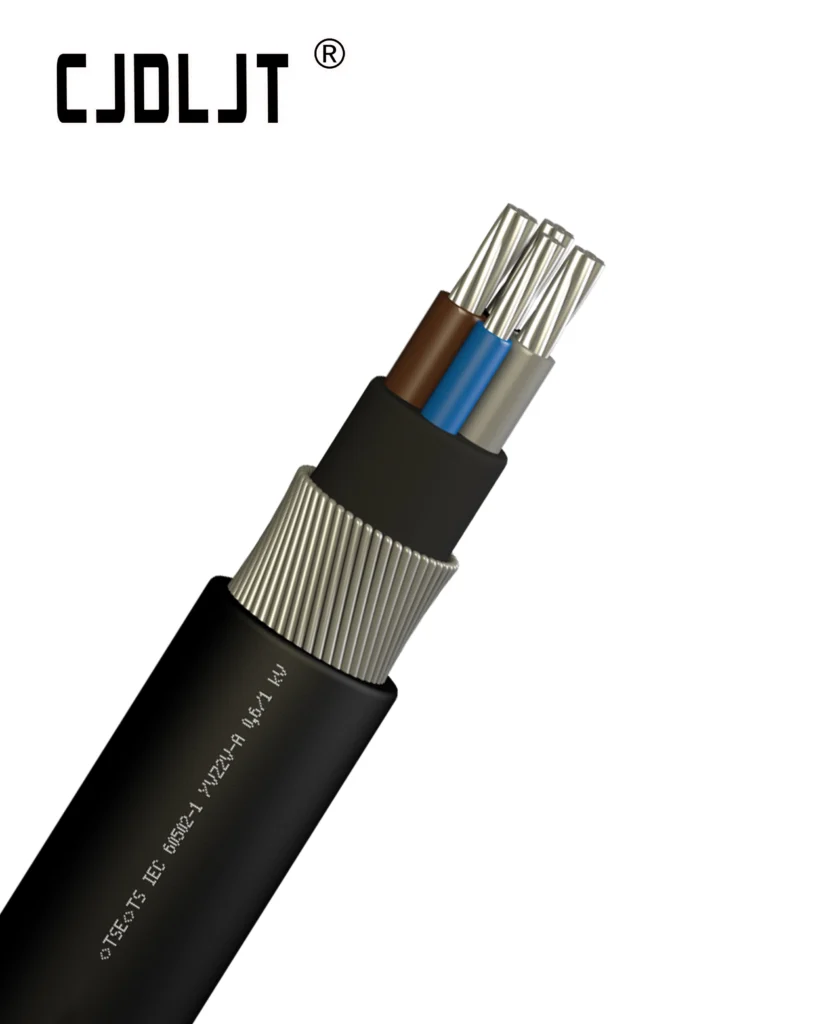
Многожильный кабель с безгалогенной оболочкой (LSZH) и бронёй из стальных проволок (SWA). Предназначен для стационарной прокладки силовых и вспомогательных цепей в электрических сетях, под землёй, на открытом воздухе, внутри помещений, а также в кабельной канализации и каналах. Применяется на объектах, где возгорание, выделение дыма и токсичных газов представляют потенциальную угрозу для жизни людей и сохранности […]
Кабель NA2XBY 0,6/1 кВ с алюминиевыми жилами (XLPE/DSTA/PVC, по IEC 60502-1)
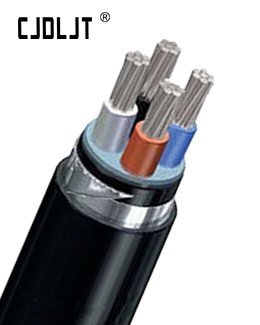
Двойной слой брони из оцинкованных стальных лент обеспечивает кабелю NA2XBY надежную защиту от механических нагрузок. Броня DSTA обеспечивает лучшую гибкость по сравнению со стальными круглыми проволоками или другими более жесткими видами бронирования. Благодаря наружной оболочке из ПВХ-пластиката, не распространяющего горение, кабель NA2XBY соответствует классификации CPR, что делает его пригодным для стационарной прокладки внутри помещений. Устойчивость […]
What is the difference between stranded and solid conductors in power cables?
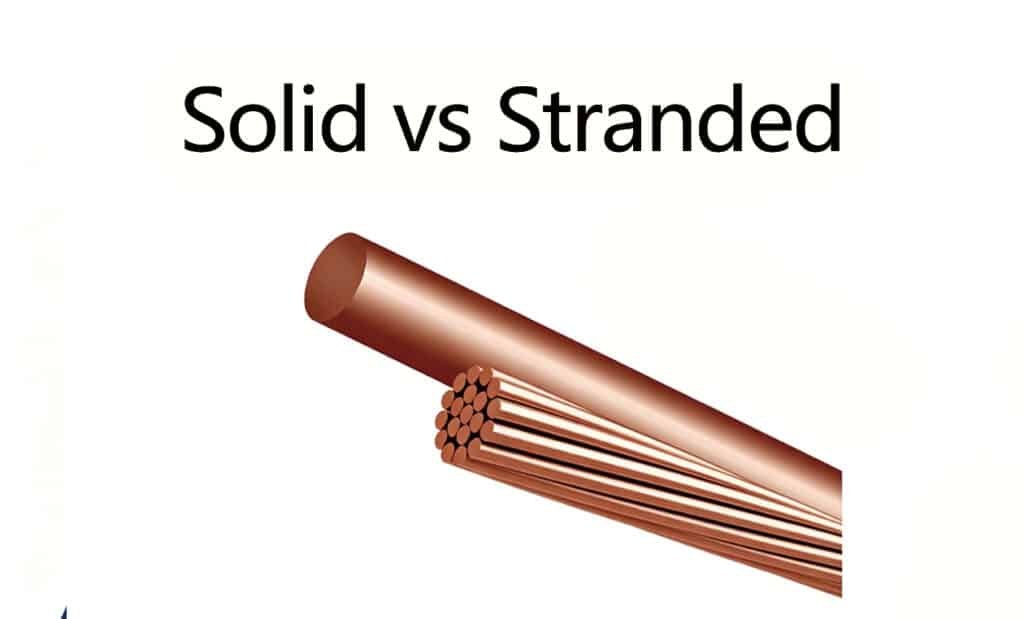
Stranded conductors are composed of many fine wires twisted together to form a single conductor, while solid conductors are a single, solid wire of equivalent cross-sectional area.Stranded conductors offer superior flexibility, fatigue resistance, and vibration tolerance, making them ideal for dynamic routing or portable/applied-flex applications.Solid conductors provide stiffness and ease of termination in fixed installations.Electrically, […]
What is LSZH cable, and when should you use it?
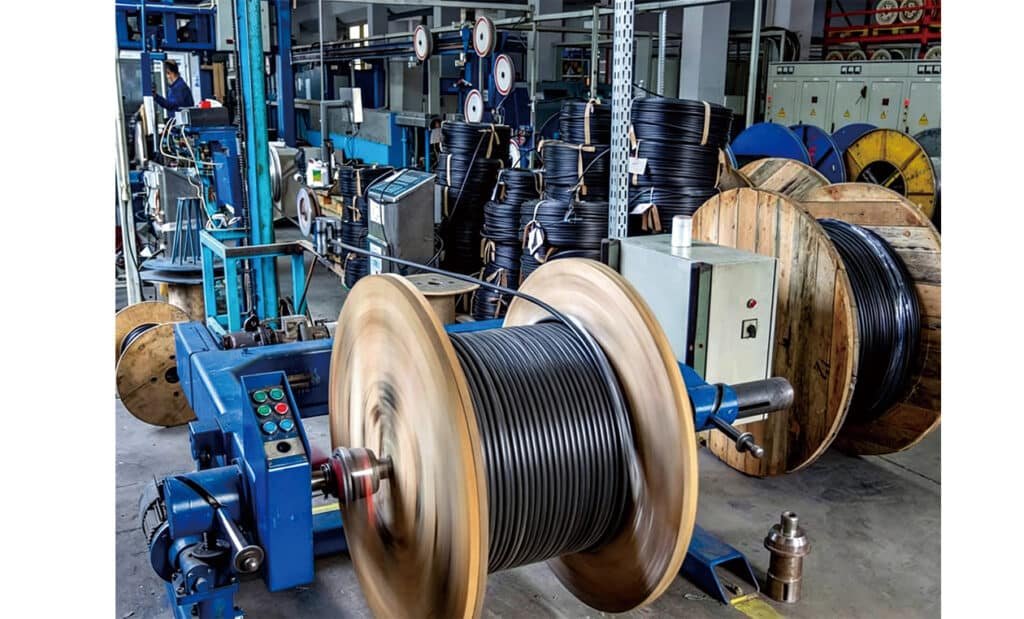
LSZH stands for Low Smoke Zero Halogen. These cables use halogen-free jacket and insulation formulations to minimize the release of toxic, corrosive halogen gases and to reduce smoke density when exposed to fire.They improve occupant safety and ease post-fire equipment recovery in enclosed or crowded spaces. Common applications include data centers, hospitals, schools, transit vehicles, […]
Comparative analysis of installation and maintenance costs between armored and unarmored cables
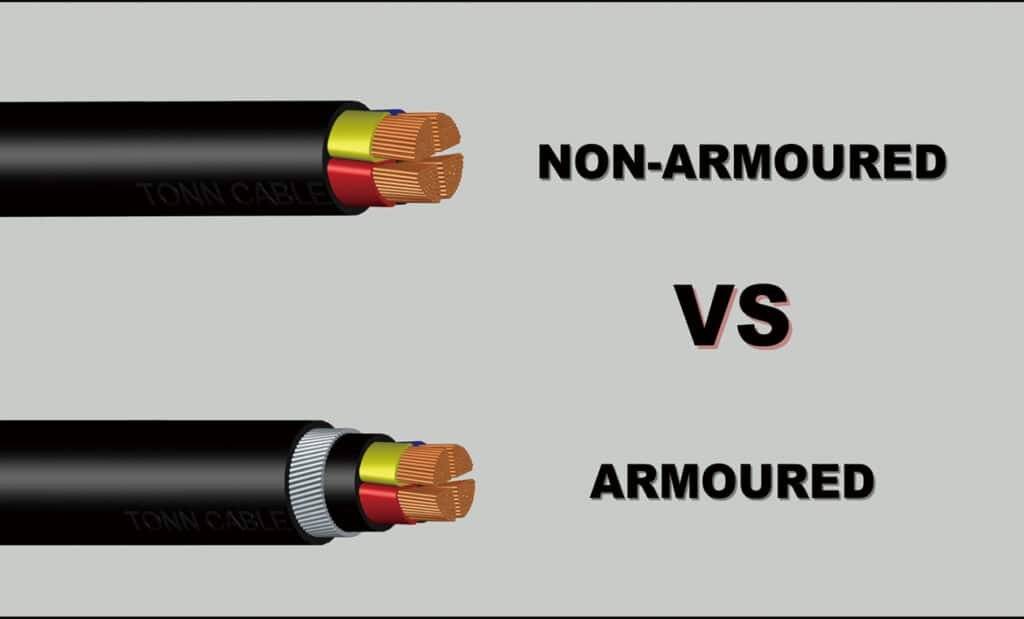
Armored cables have higher upfront material and termination costs and heavier installation requirements, but they reduce damage risk, outages, and certain maintenance needs in harsh environments.In direct burial, outdoor runs, or oil/chemical environments, armor can lower long-term expenses by preventing repairs and replacements.In protected indoor or short indoor runs, unarmored cables often offer lower total […]
Service Conditions & Application Scope of Armored Cables
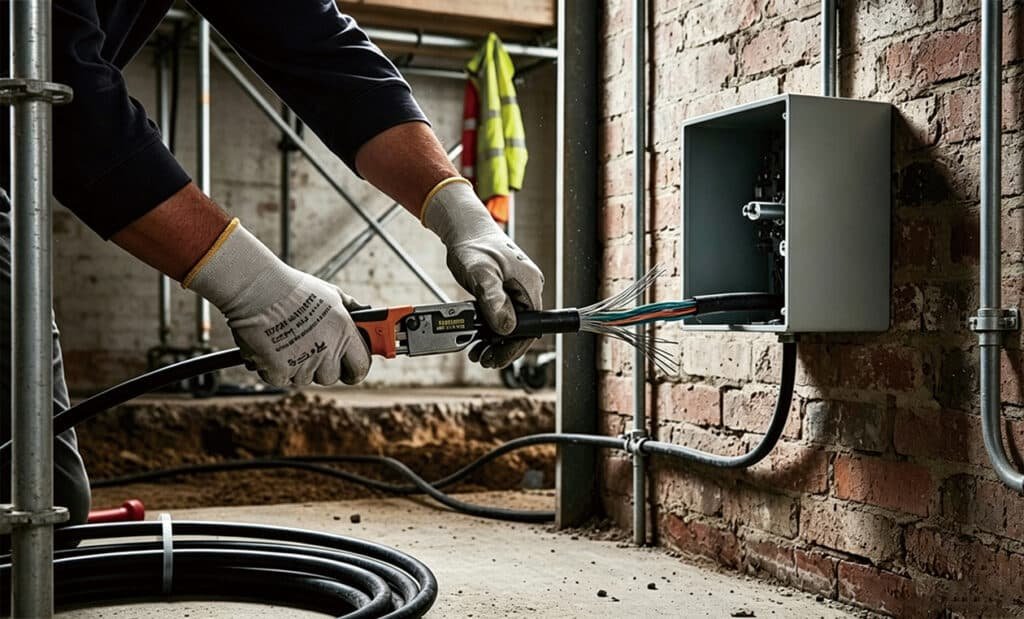
Armored cables are designed for mechanical protection and reliable operation in harsh environments.They withstand physical damage, moisture ingress, and exposure to oils, chemicals, or UV where conductors and insulation might otherwise be compromised.Armor types (SWA, STA, AWA) defend against abrasion, impact, and rodent damage, while some armor configurations can serve as bonding paths.They are widely […]
What is an armored cable?
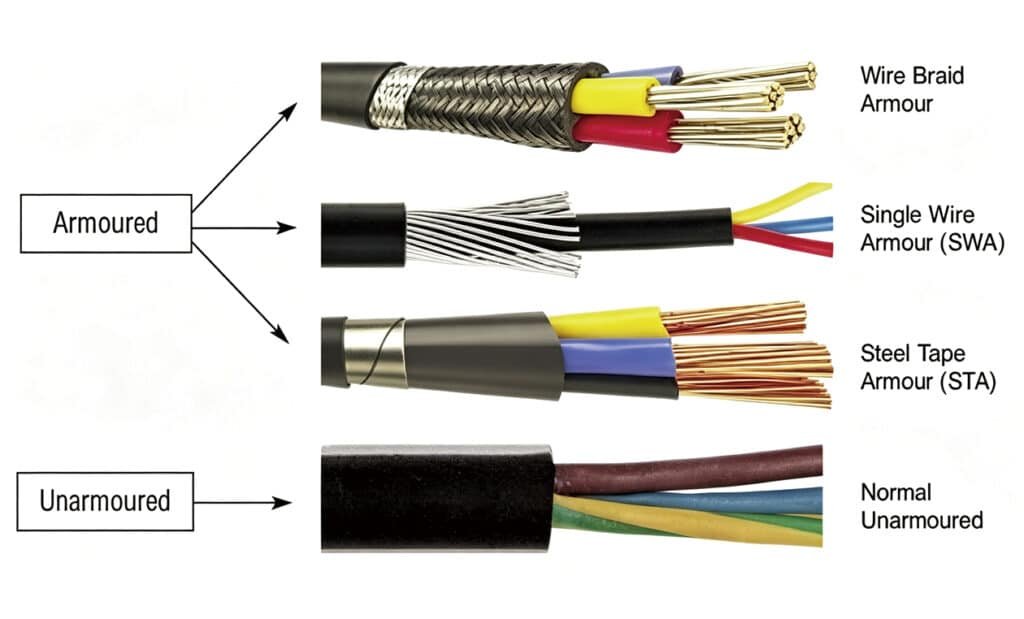
An armored cable is a power or control cable with a protective metallic layer around the insulation/jacket to provide mechanical protection against impact, digging, abrasion, and moisture.Common armor types include galvanised steel wire armor (SWA), steel tape armor (STA), and aluminium armor (AWA).The armor may also serve as a grounding/bonding path in some designs.Armored cables […]
ACSR vs AAC/AAAC: Key differences and use cases
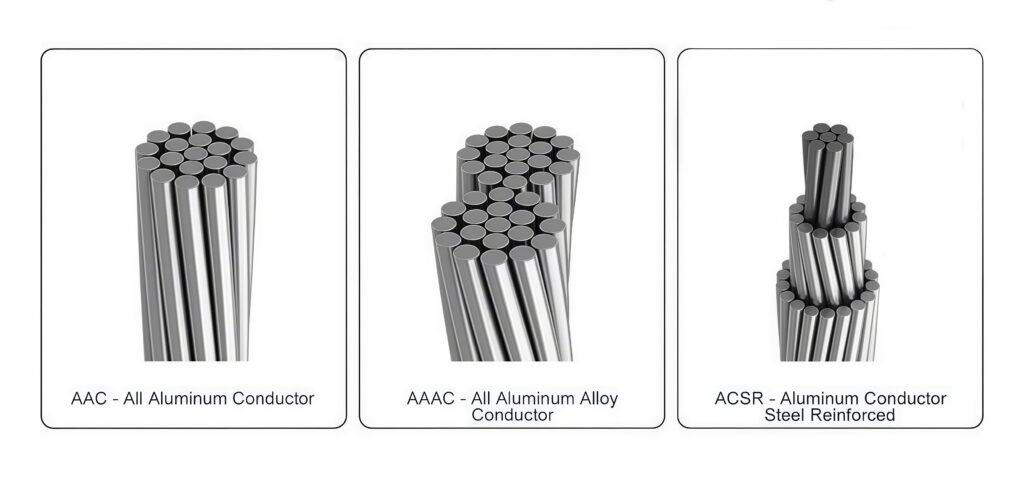
ACSR consists of aluminum strands around a central galvanized steel core, delivering high tensile strength for long-span overhead lines; the steel core resists wind, ice, and sag while the aluminum strands carry the current.AAC (All-Al Aluminum Conductor) is all aluminum with no steel core, offering higher ampacity per cross-section but lower mechanical strength, which limits […]
what is acsr cable?
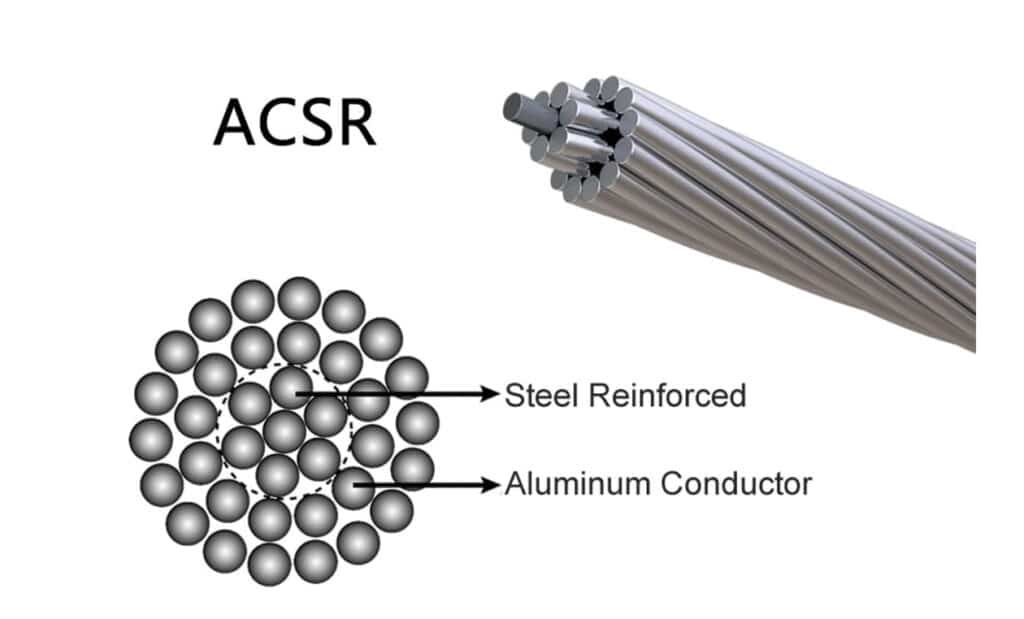
ACSR stands for Aluminum Conductor Steel Reinforced — the most widely used bare overhead power line conductor. It has a simple but effective structure: Aluminum outer strands carry electric current. A galvanized steel core provides strong tensile strength. This combination allows long‑distance power lines to withstand wind, ice, and sag without insulation. Versions with high‑strength […]
What are the advantages and disadvantages of PVC and XLPE as cable insulation materials?
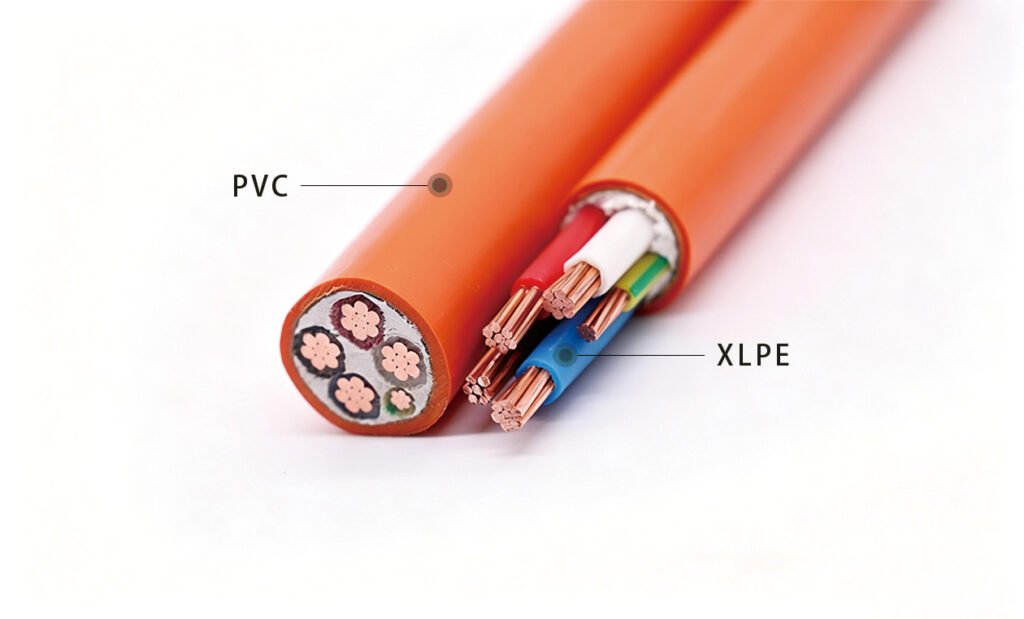
PVC insulation is typically cost-efficient with good dielectric properties and flexibility, but it has lower temperature tolerance and aging performance compared to XLPE. XLPE offers superior temperature resistance, better dielectric properties, and moisture resistance, yet it comes with higher material costs and more complex processing. The best choice depends on operating temperature, environmental conditions, voltage […]